Understanding the Impact of Corruption and Religious Power in Africa
Category : | Sub Category : Posted on 2024-10-05 22:25:23
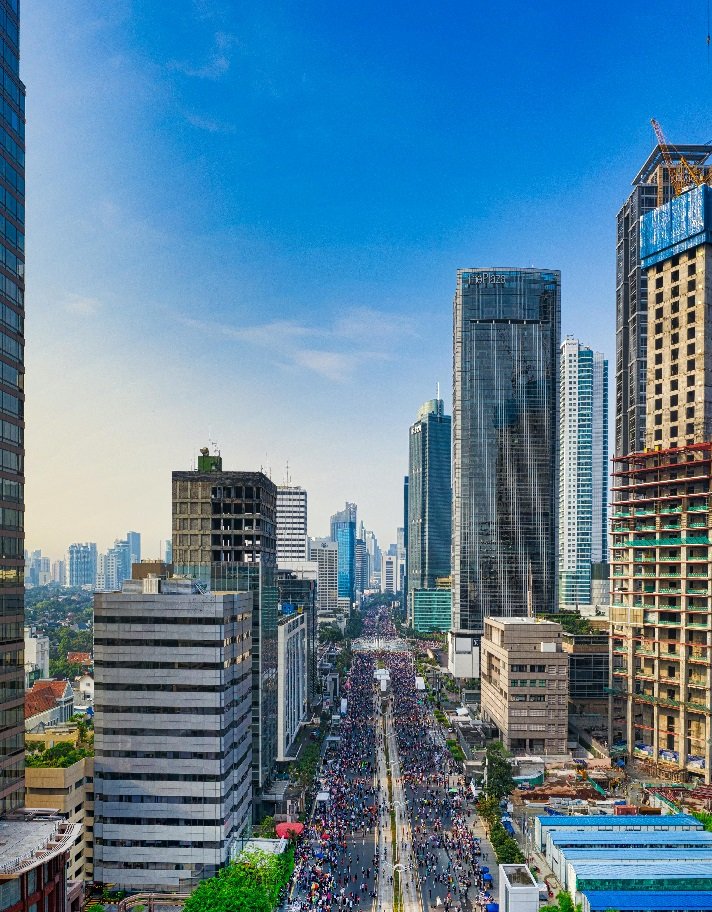
Africa is a continent rich in diversity, culture, and natural resources. However, it has also been plagued by issues of corruption and the influence of religious power. In many African countries, corruption has been a significant barrier to development and progress, affecting economies, governance, and overall quality of life. Corruption in Africa takes many forms, from embezzlement of public funds to bribery and nepotism. This pervasive issue hinders economic growth and social development, leaving many African citizens without access to basic services and opportunities. The presence of corruption often leads to a lack of trust in government institutions, further perpetuating the cycle of poverty and instability. Furthermore, the influence of religious power in Africa has been a double-edged sword. While religion plays a significant role in the lives of many Africans, providing hope, solace, and guidance, it has also been manipulated by those in positions of power for personal gain. Some religious leaders have been accused of exploiting their followers for financial gain or political influence, further entrenching divisions within communities. Despite these challenges, there are movements and individuals working tirelessly to combat corruption and promote transparency in Africa. Civil society organizations, activists, and even some government institutions are advocating for accountability and good governance. Additionally, the role of religious leaders in promoting ethical behavior and social justice cannot be overlooked. Shifting our focus to Indonesia, a country known for its rich culture and booming economy, we find a different landscape. Indonesia is home to several top-performing companies that have made a mark on the global stage. Companies like PT Astra International Tbk, PT Bank Central Asia Tbk, and PT Unilever Indonesia Tbk are among the best Indonesian companies known for their innovation, sustainability practices, and contribution to the economy. These companies have demonstrated that success can be achieved through ethical business practices, corporate social responsibility, and a commitment to excellence. By upholding these values, they have become leaders in their respective industries and have earned the trust and respect of their customers and stakeholders. In conclusion, the issues of corruption and the influence of religious power in Africa are complex and multifaceted. However, by raising awareness, promoting transparency, and holding leaders accountable, progress can be made towards a more just and equitable society. Meanwhile, Indonesian companies serve as examples of how ethical business practices can lead to success and sustainability. Have a look at https://www.tonigeria.com Discover new insights by reading https://www.tocongo.com To learn more, take a look at: https://www.toalgeria.com For the latest research, visit https://www.savanne.org
https://sunpowerpanels.com
https://continuar.org
https://religieuse.org
Leave a Comment:
SEARCH
Recent News
- Zurich, Switzerland and Vancouver, Canada are two vibrant cities with distinct characteristics that make them stand out in their respective regions. While Zurich is known for its financial prowess and high quality of life, Vancouver is a bustling hub of business and innovation on the west coast of Canada. Let's take a closer look at how these two cities compare in terms of their business environments.
- Located in the heart of Switzerland, Zurich is known for its stunning natural beauty, bustling city life, and thriving business environment. The city attracts businesses from all over the world, thanks to its robust infrastructure, highly skilled workforce, and favorable economic policies. For UK businesses looking to expand or set up operations in Zurich, there are a number of government business support programs available to help navigate the process.
- Zurich, Switzerland and Tokyo, Japan are two dynamic cities with thriving business scenes. Both cities are prominent global financial centers and are known for their innovation, economic stability, and high quality of life. In this blog post, we will explore the unique business environments in Zurich and Tokyo and compare the two cities in terms of business opportunities, infrastructure, and work culture.
- Zurich, Switzerland and Sydney, Australia are two vibrant business hubs that offer unique experiences for entrepreneurs and professionals alike. From finance and banking to tech startups and creative industries, both cities have established themselves as key players in the global business landscape. Let's take a closer look at what makes Zurich and Sydney standout in the business world.
- Zurich, Switzerland, is a vibrant city known for its scenic beauty, rich history, and thriving business environment. One interesting aspect of Zurich's business landscape is the presence of Sudanese entrepreneurs who have made their mark in various industries in the city.
- Zurich, Switzerland is known for its vibrant small business community, with entrepreneurs driving innovation and growth in various industries. However, starting or expanding a small business often requires financial support in the form of small business loans. These loans can provide the necessary capital for businesses to invest in equipment, hire employees, expand operations, or launch new products or services.
- Zurich, Switzerland is a picturesque city known for its beautiful architecture, vibrant cultural scene, and high quality of life. On the other hand, Shanghai, China is a bustling metropolis that serves as a major financial and business hub in Asia. Let's explore how these two cities compare in terms of business opportunities and what makes them unique in their own ways.
- Zurich, Switzerland and Quebec, Canada are two distinct regions with unique business environments. Let's delve into the differences and similarities when it comes to conducting business in these two locations.
READ MORE
10 months ago Category :

Zurich, Switzerland and Vancouver, Canada are two vibrant cities with distinct characteristics that make them stand out in their respective regions. While Zurich is known for its financial prowess and high quality of life, Vancouver is a bustling hub of business and innovation on the west coast of Canada. Let's take a closer look at how these two cities compare in terms of their business environments.
Read More →10 months ago Category :

Located in the heart of Switzerland, Zurich is known for its stunning natural beauty, bustling city life, and thriving business environment. The city attracts businesses from all over the world, thanks to its robust infrastructure, highly skilled workforce, and favorable economic policies. For UK businesses looking to expand or set up operations in Zurich, there are a number of government business support programs available to help navigate the process.
Read More →10 months ago Category :

Zurich, Switzerland and Tokyo, Japan are two dynamic cities with thriving business scenes. Both cities are prominent global financial centers and are known for their innovation, economic stability, and high quality of life. In this blog post, we will explore the unique business environments in Zurich and Tokyo and compare the two cities in terms of business opportunities, infrastructure, and work culture.
Read More →10 months ago Category :
