Revolutionizing Energy Sustainability: The Role of Vehicle-to-Grid Technology in Indonesia
Category : | Sub Category : Posted on 2024-10-05 22:25:23
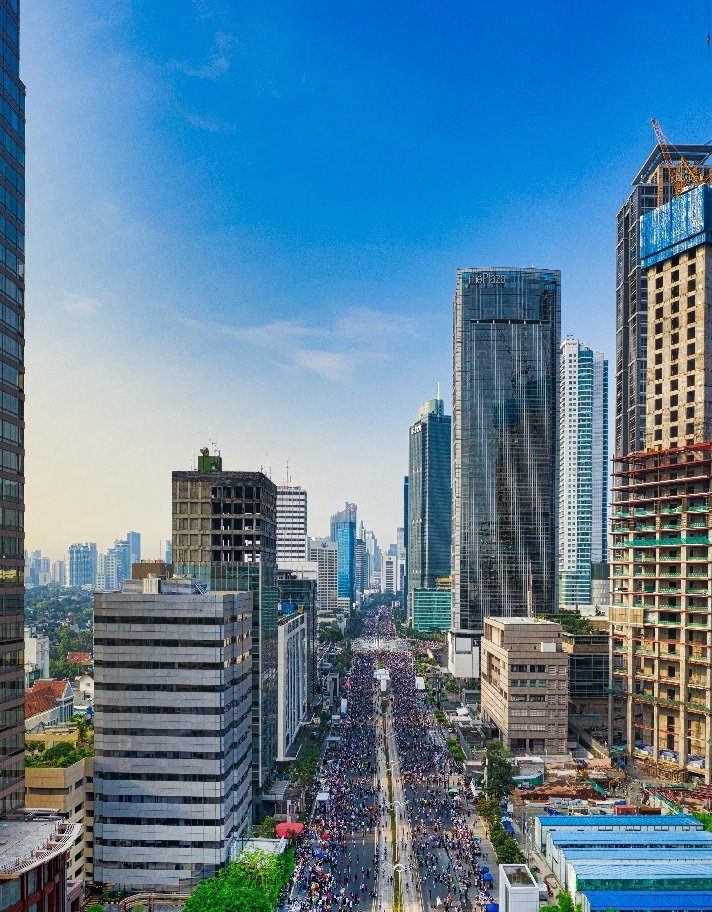
In the realm of academic writing, APA papers serve as a standardized format for presenting research and studies in various fields. One of the most compelling emerging topics in the field of energy sustainability is Vehicle-to-grid (V2G) technology. This innovative concept is set to transform the way energy is generated, stored, and utilized, with far-reaching implications for the environment and economy. In this blog post, we explore the potential of V2G technology and its relevance to some of the best Indonesian companies leading the charge towards a greener future. Vehicle-to-Grid (V2G) technology represents a breakthrough solution that allows electric vehicles (EVs) to not only consume electricity but also feed it back into the grid when needed. By leveraging the battery storage capacity of EVs, V2G enables a dynamic exchange of energy between vehicles and the grid, creating a more flexible and sustainable energy ecosystem. This concept has the potential to revolutionize the way we think about energy infrastructure, turning millions of EVs into distributed energy resources that can help stabilize the grid and support renewable energy integration. In Indonesia, a rapidly growing economy with ambitious renewable energy targets, V2G technology holds significant promise for addressing energy challenges and reducing carbon emissions. Several leading Indonesian companies have already recognized the potential of V2G and are actively exploring its implementation in their operations. From utility providers to automotive manufacturers, these companies are at the forefront of the transition towards a cleaner and more efficient energy system. One of the best Indonesian companies driving innovation in the V2G space is PLN (Perusahaan Listrik Negara), the country's state-owned electricity company. With a strong commitment to renewable energy deployment, PLN is exploring V2G pilot projects to harness the power of EVs for grid stabilization and demand response. By integrating V2G technology into their energy infrastructure, PLN aims to optimize energy use, reduce reliance on fossil fuels, and enhance grid reliability. Another notable player in Indonesia's V2G landscape is Gojek, a leading technology company that operates an extensive fleet of electric vehicles for ride-hailing services. By implementing V2G technology in their EV fleet, Gojek aims to maximize the utilization of their vehicles while contributing to the grid through demand-side management strategies. This innovative approach not only benefits the company in terms of operational efficiency but also aligns with their sustainability goals and corporate social responsibility initiatives. In conclusion, Vehicle-to-Grid (V2G) technology represents a groundbreaking solution with immense potential to drive energy sustainability and combat climate change. In Indonesia, forward-thinking companies are embracing V2G as a means to accelerate the transition to a cleaner and more resilient energy system. By harnessing the power of EVs through V2G technology, these companies are not only paving the way for a greener future but also redefining the paradigm of energy management in the 21st century. As the momentum towards sustainable energy continues to grow, V2G technology is set to play a pivotal role in shaping Indonesia's energy landscape for years to come.
https://continuar.org
Leave a Comment:
SEARCH
Recent News
- Zurich, Switzerland and Vancouver, Canada are two vibrant cities with distinct characteristics that make them stand out in their respective regions. While Zurich is known for its financial prowess and high quality of life, Vancouver is a bustling hub of business and innovation on the west coast of Canada. Let's take a closer look at how these two cities compare in terms of their business environments.
- Located in the heart of Switzerland, Zurich is known for its stunning natural beauty, bustling city life, and thriving business environment. The city attracts businesses from all over the world, thanks to its robust infrastructure, highly skilled workforce, and favorable economic policies. For UK businesses looking to expand or set up operations in Zurich, there are a number of government business support programs available to help navigate the process.
- Zurich, Switzerland and Tokyo, Japan are two dynamic cities with thriving business scenes. Both cities are prominent global financial centers and are known for their innovation, economic stability, and high quality of life. In this blog post, we will explore the unique business environments in Zurich and Tokyo and compare the two cities in terms of business opportunities, infrastructure, and work culture.
- Zurich, Switzerland and Sydney, Australia are two vibrant business hubs that offer unique experiences for entrepreneurs and professionals alike. From finance and banking to tech startups and creative industries, both cities have established themselves as key players in the global business landscape. Let's take a closer look at what makes Zurich and Sydney standout in the business world.
- Zurich, Switzerland, is a vibrant city known for its scenic beauty, rich history, and thriving business environment. One interesting aspect of Zurich's business landscape is the presence of Sudanese entrepreneurs who have made their mark in various industries in the city.
- Zurich, Switzerland is known for its vibrant small business community, with entrepreneurs driving innovation and growth in various industries. However, starting or expanding a small business often requires financial support in the form of small business loans. These loans can provide the necessary capital for businesses to invest in equipment, hire employees, expand operations, or launch new products or services.
- Zurich, Switzerland is a picturesque city known for its beautiful architecture, vibrant cultural scene, and high quality of life. On the other hand, Shanghai, China is a bustling metropolis that serves as a major financial and business hub in Asia. Let's explore how these two cities compare in terms of business opportunities and what makes them unique in their own ways.
- Zurich, Switzerland and Quebec, Canada are two distinct regions with unique business environments. Let's delve into the differences and similarities when it comes to conducting business in these two locations.
READ MORE
11 months ago Category :

Zurich, Switzerland and Vancouver, Canada are two vibrant cities with distinct characteristics that make them stand out in their respective regions. While Zurich is known for its financial prowess and high quality of life, Vancouver is a bustling hub of business and innovation on the west coast of Canada. Let's take a closer look at how these two cities compare in terms of their business environments.
Read More →11 months ago Category :

Located in the heart of Switzerland, Zurich is known for its stunning natural beauty, bustling city life, and thriving business environment. The city attracts businesses from all over the world, thanks to its robust infrastructure, highly skilled workforce, and favorable economic policies. For UK businesses looking to expand or set up operations in Zurich, there are a number of government business support programs available to help navigate the process.
Read More →11 months ago Category :

Zurich, Switzerland and Tokyo, Japan are two dynamic cities with thriving business scenes. Both cities are prominent global financial centers and are known for their innovation, economic stability, and high quality of life. In this blog post, we will explore the unique business environments in Zurich and Tokyo and compare the two cities in terms of business opportunities, infrastructure, and work culture.
Read More →11 months ago Category :
