Strategies for Indonesian Companies Facing Business Closure in the DACH Region
Category : | Sub Category : Posted on 2024-10-05 22:25:23
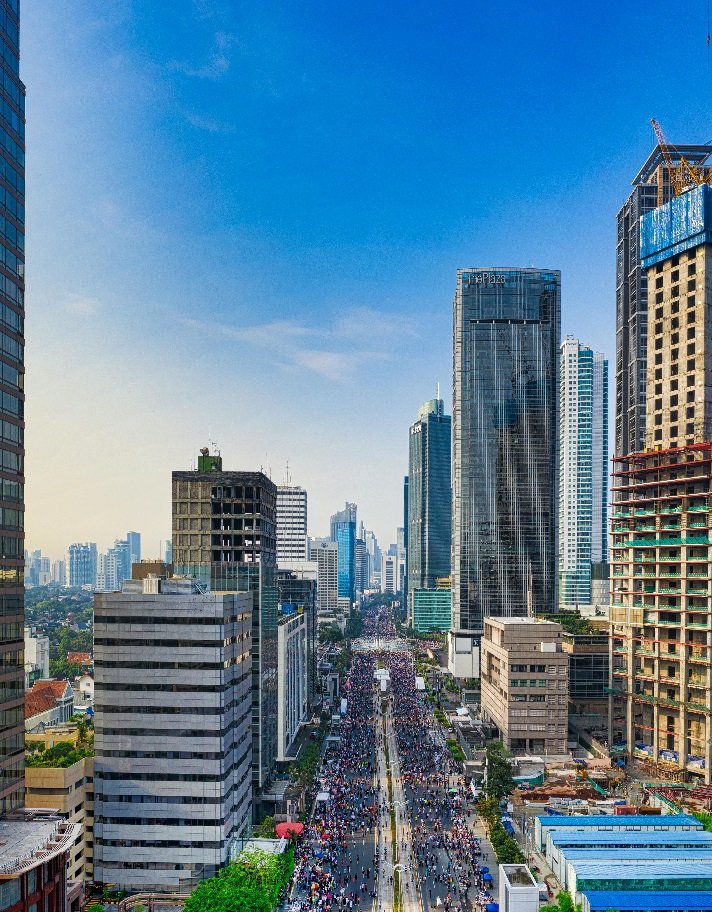
Indonesian companies entering the DACH region (comprising Germany, Austria, and Switzerland) may face challenges that could lead to Business closure. In such situations, it is essential for these companies to have effective finishing strategies in place to navigate the closure process smoothly. In this blog post, we will discuss some key factors and strategies that Indonesian companies can consider when dealing with business closure in the DACH region. 1. Assess the Reasons for Closure: The first step for an Indonesian company facing closure in the DACH region is to assess the reasons behind the decision. Whether it is due to financial difficulties, market dynamics, or regulatory issues, understanding the root cause is crucial for developing an appropriate finishing strategy. 2. Communicate Transparently: Clear and transparent communication is essential when informing stakeholders about the business closure. Indonesian companies should communicate openly with employees, customers, suppliers, and other relevant parties to minimize uncertainty and build trust during the closure process. 3. Legal and Compliance Considerations: Navigating the legal and compliance aspects of business closure in the DACH region is vital to avoid any potential legal ramifications. Indonesian companies should seek legal counsel to ensure that all regulatory requirements, contractual obligations, and employee rights are addressed properly. 4. Financial Planning and Resource Management: Developing a comprehensive financial plan is crucial for managing the closure process effectively. Indonesian companies should assess their financial obligations, liquidate assets, settle outstanding debts, and allocate resources wisely to minimize financial losses during the closure. 5. Employee Support and Transition: Providing support to employees during the closure phase is essential for maintaining morale and ensuring a smooth transition. Indonesian companies should offer career counseling, outplacement services, and assistance with reemployment opportunities to help affected employees navigate the job market. 6. Stakeholder Engagement and Relationship Management: Maintaining positive relationships with key stakeholders, including customers, suppliers, partners, and investors, is critical during the closure process. Indonesian companies should engage proactively with stakeholders, address concerns, and find mutually beneficial solutions to minimize disruptions and preserve goodwill. 7. Reflect, Learn, and Move Forward: After completing the closure process, Indonesian companies should take the time to reflect on the experience, identify lessons learned, and leverage insights for future endeavors in the DACH region or other markets. Business closure, though challenging, can serve as a valuable learning opportunity for organizations to improve and grow. In conclusion, Indonesian companies facing business closure in the DACH region can benefit from implementing strategic finishing strategies to manage the process effectively. By assessing the reasons for closure, communicating transparently, addressing legal and compliance considerations, managing finances wisely, supporting employees, engaging stakeholders, and learning from the experience, companies can navigate closure with resilience and pave the way for future success in the region. To gain a holistic understanding, refer to https://www.alemanes.org For comprehensive coverage, check out https://www.enotifikasi.com For a fresh perspective, give the following a read https://www.konsultan.org
https://continuar.org
Leave a Comment:
SEARCH
Recent News
- Zurich, Switzerland and Vancouver, Canada are two vibrant cities with distinct characteristics that make them stand out in their respective regions. While Zurich is known for its financial prowess and high quality of life, Vancouver is a bustling hub of business and innovation on the west coast of Canada. Let's take a closer look at how these two cities compare in terms of their business environments.
- Located in the heart of Switzerland, Zurich is known for its stunning natural beauty, bustling city life, and thriving business environment. The city attracts businesses from all over the world, thanks to its robust infrastructure, highly skilled workforce, and favorable economic policies. For UK businesses looking to expand or set up operations in Zurich, there are a number of government business support programs available to help navigate the process.
- Zurich, Switzerland and Tokyo, Japan are two dynamic cities with thriving business scenes. Both cities are prominent global financial centers and are known for their innovation, economic stability, and high quality of life. In this blog post, we will explore the unique business environments in Zurich and Tokyo and compare the two cities in terms of business opportunities, infrastructure, and work culture.
- Zurich, Switzerland and Sydney, Australia are two vibrant business hubs that offer unique experiences for entrepreneurs and professionals alike. From finance and banking to tech startups and creative industries, both cities have established themselves as key players in the global business landscape. Let's take a closer look at what makes Zurich and Sydney standout in the business world.
- Zurich, Switzerland, is a vibrant city known for its scenic beauty, rich history, and thriving business environment. One interesting aspect of Zurich's business landscape is the presence of Sudanese entrepreneurs who have made their mark in various industries in the city.
- Zurich, Switzerland is known for its vibrant small business community, with entrepreneurs driving innovation and growth in various industries. However, starting or expanding a small business often requires financial support in the form of small business loans. These loans can provide the necessary capital for businesses to invest in equipment, hire employees, expand operations, or launch new products or services.
- Zurich, Switzerland is a picturesque city known for its beautiful architecture, vibrant cultural scene, and high quality of life. On the other hand, Shanghai, China is a bustling metropolis that serves as a major financial and business hub in Asia. Let's explore how these two cities compare in terms of business opportunities and what makes them unique in their own ways.
- Zurich, Switzerland and Quebec, Canada are two distinct regions with unique business environments. Let's delve into the differences and similarities when it comes to conducting business in these two locations.
READ MORE
11 months ago Category :

Zurich, Switzerland and Vancouver, Canada are two vibrant cities with distinct characteristics that make them stand out in their respective regions. While Zurich is known for its financial prowess and high quality of life, Vancouver is a bustling hub of business and innovation on the west coast of Canada. Let's take a closer look at how these two cities compare in terms of their business environments.
Read More →11 months ago Category :

Located in the heart of Switzerland, Zurich is known for its stunning natural beauty, bustling city life, and thriving business environment. The city attracts businesses from all over the world, thanks to its robust infrastructure, highly skilled workforce, and favorable economic policies. For UK businesses looking to expand or set up operations in Zurich, there are a number of government business support programs available to help navigate the process.
Read More →11 months ago Category :

Zurich, Switzerland and Tokyo, Japan are two dynamic cities with thriving business scenes. Both cities are prominent global financial centers and are known for their innovation, economic stability, and high quality of life. In this blog post, we will explore the unique business environments in Zurich and Tokyo and compare the two cities in terms of business opportunities, infrastructure, and work culture.
Read More →11 months ago Category :
