Navigating Business Closure: Strategies for Indonesian Companies and Investing in Work Skills Development
Category : | Sub Category : Posted on 2024-10-05 22:25:23
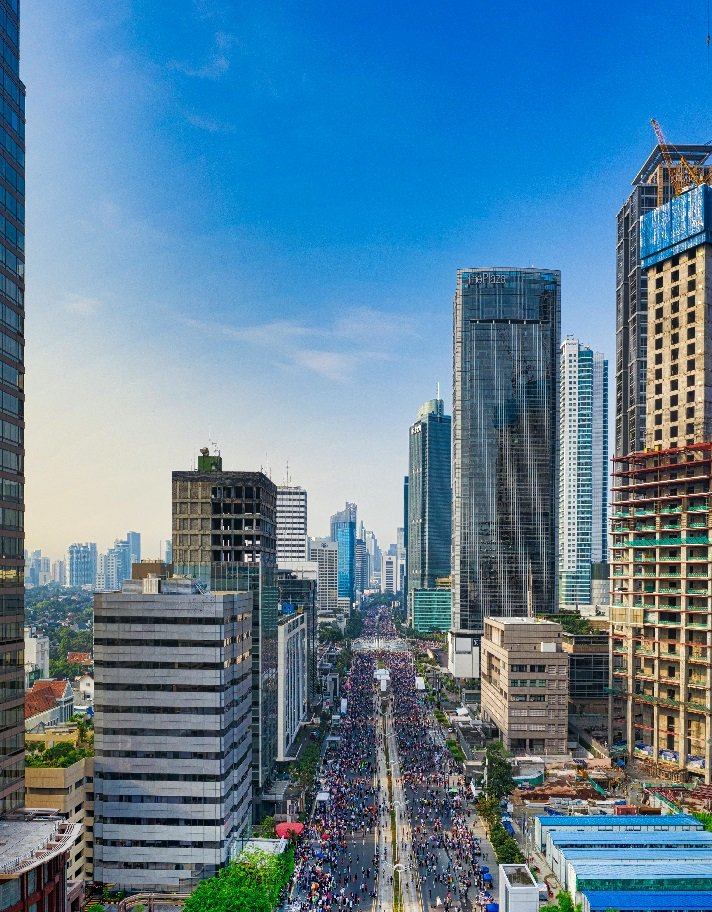
In the bustling world of business, companies can face challenges that lead to difficult decisions, such as closure. In Indonesia, like in any other country, businesses may have to navigate the complex process of closing down operations. However, having the right strategies in place can help companies manage the closure process efficiently and responsibly. When a business in Indonesia decides to cease operations, it is essential for the company to follow the legal procedures set by the Indonesian government. This includes settling outstanding debts, notifying employees and stakeholders, as well as complying with taxation and regulatory requirements. By following these steps diligently, a company can ensure a smooth closure that minimizes potential legal issues and financial liabilities. One of the key strategies for a successful business closure is effective communication. Transparency with employees, customers, suppliers, and other stakeholders is crucial during this challenging time. Providing clear explanations about the reasons for closure and offering support to affected parties can help maintain goodwill and minimize negative repercussions. Moreover, Indonesian companies can also consider alternative strategies before opting for closure, such as restructuring, mergers, or seeking investors. By exploring all possible options, businesses may find a way to sustain operations or transition into a new phase rather than closing down completely. As companies navigate the complexities of business closure, it is equally important to focus on the long-term development of work skills. Investing in the professional growth of employees can not only benefit the individuals but also contribute to the overall competitiveness and sustainability of businesses in Indonesia. Companies can invest in various work skills development programs, such as training workshops, mentorship initiatives, or educational sponsorships. By empowering employees to enhance their skills and knowledge, businesses can create a more productive and adaptable workforce that is better equipped to navigate future challenges and opportunities. In conclusion, while business closure can be a difficult process for Indonesian companies, having the right strategies in place can help mitigate risks and ensure a responsible transition. By prioritizing effective communication, exploring alternative options, and investing in work skills development, businesses can navigate the complexities of closure while positioning themselves for future success.
https://continuar.org
https://desencadenar.org
Leave a Comment:
SEARCH
Recent News
- Zurich, Switzerland and Vancouver, Canada are two vibrant cities with distinct characteristics that make them stand out in their respective regions. While Zurich is known for its financial prowess and high quality of life, Vancouver is a bustling hub of business and innovation on the west coast of Canada. Let's take a closer look at how these two cities compare in terms of their business environments.
- Located in the heart of Switzerland, Zurich is known for its stunning natural beauty, bustling city life, and thriving business environment. The city attracts businesses from all over the world, thanks to its robust infrastructure, highly skilled workforce, and favorable economic policies. For UK businesses looking to expand or set up operations in Zurich, there are a number of government business support programs available to help navigate the process.
- Zurich, Switzerland and Tokyo, Japan are two dynamic cities with thriving business scenes. Both cities are prominent global financial centers and are known for their innovation, economic stability, and high quality of life. In this blog post, we will explore the unique business environments in Zurich and Tokyo and compare the two cities in terms of business opportunities, infrastructure, and work culture.
- Zurich, Switzerland and Sydney, Australia are two vibrant business hubs that offer unique experiences for entrepreneurs and professionals alike. From finance and banking to tech startups and creative industries, both cities have established themselves as key players in the global business landscape. Let's take a closer look at what makes Zurich and Sydney standout in the business world.
- Zurich, Switzerland, is a vibrant city known for its scenic beauty, rich history, and thriving business environment. One interesting aspect of Zurich's business landscape is the presence of Sudanese entrepreneurs who have made their mark in various industries in the city.
- Zurich, Switzerland is known for its vibrant small business community, with entrepreneurs driving innovation and growth in various industries. However, starting or expanding a small business often requires financial support in the form of small business loans. These loans can provide the necessary capital for businesses to invest in equipment, hire employees, expand operations, or launch new products or services.
- Zurich, Switzerland is a picturesque city known for its beautiful architecture, vibrant cultural scene, and high quality of life. On the other hand, Shanghai, China is a bustling metropolis that serves as a major financial and business hub in Asia. Let's explore how these two cities compare in terms of business opportunities and what makes them unique in their own ways.
- Zurich, Switzerland and Quebec, Canada are two distinct regions with unique business environments. Let's delve into the differences and similarities when it comes to conducting business in these two locations.
READ MORE
11 months ago Category :

Zurich, Switzerland and Vancouver, Canada are two vibrant cities with distinct characteristics that make them stand out in their respective regions. While Zurich is known for its financial prowess and high quality of life, Vancouver is a bustling hub of business and innovation on the west coast of Canada. Let's take a closer look at how these two cities compare in terms of their business environments.
Read More →11 months ago Category :

Located in the heart of Switzerland, Zurich is known for its stunning natural beauty, bustling city life, and thriving business environment. The city attracts businesses from all over the world, thanks to its robust infrastructure, highly skilled workforce, and favorable economic policies. For UK businesses looking to expand or set up operations in Zurich, there are a number of government business support programs available to help navigate the process.
Read More →11 months ago Category :

Zurich, Switzerland and Tokyo, Japan are two dynamic cities with thriving business scenes. Both cities are prominent global financial centers and are known for their innovation, economic stability, and high quality of life. In this blog post, we will explore the unique business environments in Zurich and Tokyo and compare the two cities in terms of business opportunities, infrastructure, and work culture.
Read More →11 months ago Category :
