The Best Indonesian Companies Utilizing Microservices Platforms
Category : | Sub Category : Posted on 2024-10-05 22:25:23
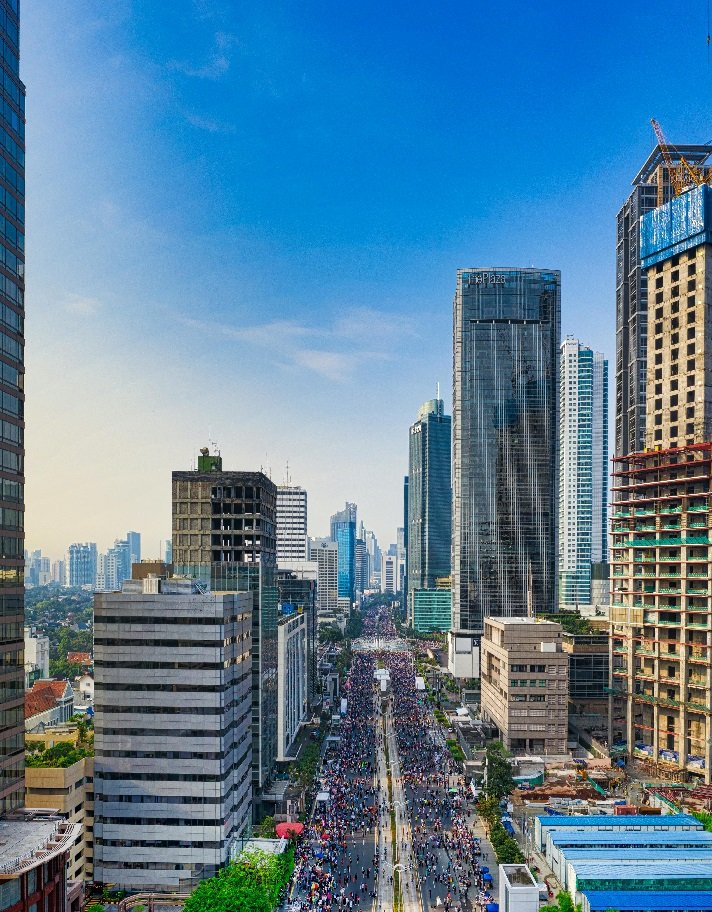
Indonesia, known for its vibrant and rapidly growing tech industry, is home to several innovative companies that have embraced microservices platforms to enhance their software development and deployment processes. Microservices architecture, characterized by breaking down complex applications into smaller, independent services that can be developed, deployed, and scaled individually, has gained popularity among Indonesian companies for its ability to improve agility, scalability, and resilience. In this article, we will explore some of the best Indonesian companies leveraging microservices platforms to drive their digital transformation initiatives. 1. Tokopedia: one of Indonesia's leading e-commerce companies, Tokopedia has successfully adopted a microservices architecture to power its platform, allowing for fast-paced development and continuous delivery of new features. By breaking down its monolithic infrastructure into smaller, more manageable services, Tokopedia has been able to scale its operations efficiently and deliver seamless user experiences to millions of customers across the country. 2. Go-Jek: As a super app offering a wide range of services including ride-hailing, food delivery, and digital payments, Go-Jek relies heavily on microservices architecture to support its diverse business verticals. By using microservices platforms, Go-Jek has been able to build and deploy new services quickly, optimize resource utilization, and maintain high levels of reliability and availability across its ecosystem. 3. Traveloka: Traveloka, a popular online travel agency in Indonesia, has embraced microservices to drive innovation and competitiveness in the travel industry. By leveraging microservices platforms, Traveloka can efficiently manage its extensive range of services, from flight and hotel bookings to lifestyle offerings, providing customers with a seamless and personalized booking experience. 4. Grab Indonesia: Grab, Southeast Asia's leading super app, has made significant investments in microservices technology to power its ride-hailing, delivery, and financial services in Indonesia. By decomposing its monolithic application into smaller, modular services, Grab can respond quickly to market demands, scale its operations effectively, and deliver reliable services to millions of users across the region. 5. Bukalapak: Bukalapak, one of Indonesia's largest online marketplaces, has leveraged microservices platforms to enhance the performance and scalability of its platform. By adopting a microservices approach, Bukalapak can introduce new features, optimize resource usage, and maintain high availability, supporting its rapid growth and expanding user base. In conclusion, Indonesian companies are increasingly recognizing the benefits of microservices platforms in driving digital transformation and staying competitive in the dynamic tech landscape. By adopting a microservices architecture, companies can achieve greater agility, scalability, and reliability, enabling them to innovate faster, deliver superior customer experiences, and thrive in the digital economy. As the tech industry in Indonesia continues to evolve, we can expect more companies to embrace microservices platforms to unlock new opportunities and drive sustainable growth.
https://continuar.org
Leave a Comment:
SEARCH
Recent News
- Zurich, Switzerland and Vancouver, Canada are two vibrant cities with distinct characteristics that make them stand out in their respective regions. While Zurich is known for its financial prowess and high quality of life, Vancouver is a bustling hub of business and innovation on the west coast of Canada. Let's take a closer look at how these two cities compare in terms of their business environments.
- Located in the heart of Switzerland, Zurich is known for its stunning natural beauty, bustling city life, and thriving business environment. The city attracts businesses from all over the world, thanks to its robust infrastructure, highly skilled workforce, and favorable economic policies. For UK businesses looking to expand or set up operations in Zurich, there are a number of government business support programs available to help navigate the process.
- Zurich, Switzerland and Tokyo, Japan are two dynamic cities with thriving business scenes. Both cities are prominent global financial centers and are known for their innovation, economic stability, and high quality of life. In this blog post, we will explore the unique business environments in Zurich and Tokyo and compare the two cities in terms of business opportunities, infrastructure, and work culture.
- Zurich, Switzerland and Sydney, Australia are two vibrant business hubs that offer unique experiences for entrepreneurs and professionals alike. From finance and banking to tech startups and creative industries, both cities have established themselves as key players in the global business landscape. Let's take a closer look at what makes Zurich and Sydney standout in the business world.
- Zurich, Switzerland, is a vibrant city known for its scenic beauty, rich history, and thriving business environment. One interesting aspect of Zurich's business landscape is the presence of Sudanese entrepreneurs who have made their mark in various industries in the city.
- Zurich, Switzerland is known for its vibrant small business community, with entrepreneurs driving innovation and growth in various industries. However, starting or expanding a small business often requires financial support in the form of small business loans. These loans can provide the necessary capital for businesses to invest in equipment, hire employees, expand operations, or launch new products or services.
- Zurich, Switzerland is a picturesque city known for its beautiful architecture, vibrant cultural scene, and high quality of life. On the other hand, Shanghai, China is a bustling metropolis that serves as a major financial and business hub in Asia. Let's explore how these two cities compare in terms of business opportunities and what makes them unique in their own ways.
- Zurich, Switzerland and Quebec, Canada are two distinct regions with unique business environments. Let's delve into the differences and similarities when it comes to conducting business in these two locations.
READ MORE
11 months ago Category :

Zurich, Switzerland and Vancouver, Canada are two vibrant cities with distinct characteristics that make them stand out in their respective regions. While Zurich is known for its financial prowess and high quality of life, Vancouver is a bustling hub of business and innovation on the west coast of Canada. Let's take a closer look at how these two cities compare in terms of their business environments.
Read More →11 months ago Category :

Located in the heart of Switzerland, Zurich is known for its stunning natural beauty, bustling city life, and thriving business environment. The city attracts businesses from all over the world, thanks to its robust infrastructure, highly skilled workforce, and favorable economic policies. For UK businesses looking to expand or set up operations in Zurich, there are a number of government business support programs available to help navigate the process.
Read More →11 months ago Category :

Zurich, Switzerland and Tokyo, Japan are two dynamic cities with thriving business scenes. Both cities are prominent global financial centers and are known for their innovation, economic stability, and high quality of life. In this blog post, we will explore the unique business environments in Zurich and Tokyo and compare the two cities in terms of business opportunities, infrastructure, and work culture.
Read More →11 months ago Category :
