When it comes to shopping carts in Denmark, there are several options to consider. From traditional brick-and-mortar stores to online retailers, Danish consumers have access to a wide variety of shopping carts to suit their needs. Let's take a look at some of the best shopping carts in Denmark:
Category : | Sub Category : Posted on 2024-10-05 22:25:23
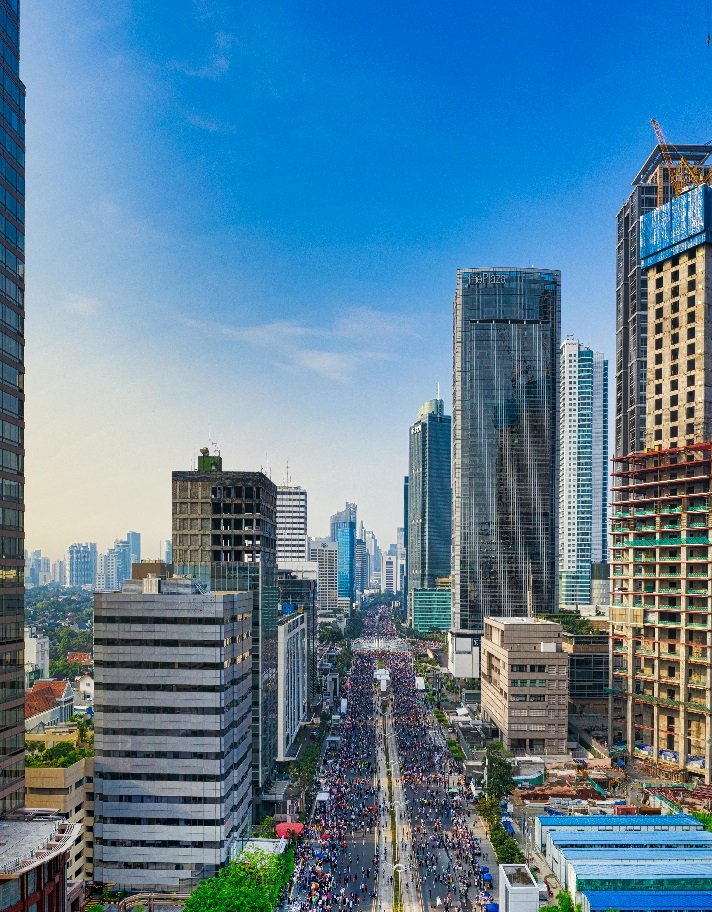
1. Coop.dk shopping: Coop.dk is one of the largest retail chains in Denmark, offering a wide range of products from groceries to electronics. Their online shopping cart is user-friendly and offers convenient delivery options. 2. Nemlig.com: Nemlig.com is a popular online grocery store in Denmark that offers a seamless shopping experience. Their shopping cart is easy to use, with features like saved shopping lists and quick reordering options. 3. Bilka.dk: Bilka is a well-known department store in Denmark, offering a wide range of products including clothing, electronics, and home goods. Their online shopping cart is reliable and offers secure payment options. Moving on to the best Indonesian companies, Indonesia is home to a thriving business scene with several notable companies making their mark in various industries. Here are some of the top Indonesian companies to watch out for: 1. Gojek: As one of Indonesia's most successful tech startups, Gojek has revolutionized the way people get around in major cities. Beyond ride-hailing, Gojek offers a range of services including food delivery, payments, and more. 2. Tokopedia: Tokopedia is Indonesia's largest e-commerce platform, connecting millions of buyers and sellers across the country. With a wide range of products available, Tokopedia has become a household name in online shopping. 3. Bukalapak: Another major player in the Indonesian e-commerce industry, Bukalapak offers a platform for sellers of all sizes to reach a large customer base. With a focus on empowering small businesses, Bukalapak has gained popularity among Indonesian shoppers. Lastly, let's talk about business closure and finishing strategies. While closing a business can be a challenging and emotional process, having a well-thought-out strategy in place can help mitigate some of the difficulties. Here are some key strategies for closing a business effectively: 1. Communicate transparently: When closing a business, it's important to communicate openly with employees, customers, suppliers, and other stakeholders. Be honest about the reasons for the closure and provide as much information as possible. 2. Plan ahead: Develop a detailed plan for winding down the business, including timelines for completing tasks like paying off debts, canceling contracts, and liquidating assets. This will help ensure a smooth and orderly closure process. 3. Take care of legal obligations: Make sure to fulfill all legal obligations, such as submitting final tax returns, settling outstanding debts, and following any regulatory requirements for closing a business. By implementing these strategies, businesses can navigate the closure process more effectively and minimize potential complications.
https://continuar.org
Leave a Comment:
SEARCH
Recent News
- Zurich, Switzerland and Vancouver, Canada are two vibrant cities with distinct characteristics that make them stand out in their respective regions. While Zurich is known for its financial prowess and high quality of life, Vancouver is a bustling hub of business and innovation on the west coast of Canada. Let's take a closer look at how these two cities compare in terms of their business environments.
- Located in the heart of Switzerland, Zurich is known for its stunning natural beauty, bustling city life, and thriving business environment. The city attracts businesses from all over the world, thanks to its robust infrastructure, highly skilled workforce, and favorable economic policies. For UK businesses looking to expand or set up operations in Zurich, there are a number of government business support programs available to help navigate the process.
- Zurich, Switzerland and Tokyo, Japan are two dynamic cities with thriving business scenes. Both cities are prominent global financial centers and are known for their innovation, economic stability, and high quality of life. In this blog post, we will explore the unique business environments in Zurich and Tokyo and compare the two cities in terms of business opportunities, infrastructure, and work culture.
- Zurich, Switzerland and Sydney, Australia are two vibrant business hubs that offer unique experiences for entrepreneurs and professionals alike. From finance and banking to tech startups and creative industries, both cities have established themselves as key players in the global business landscape. Let's take a closer look at what makes Zurich and Sydney standout in the business world.
- Zurich, Switzerland, is a vibrant city known for its scenic beauty, rich history, and thriving business environment. One interesting aspect of Zurich's business landscape is the presence of Sudanese entrepreneurs who have made their mark in various industries in the city.
- Zurich, Switzerland is known for its vibrant small business community, with entrepreneurs driving innovation and growth in various industries. However, starting or expanding a small business often requires financial support in the form of small business loans. These loans can provide the necessary capital for businesses to invest in equipment, hire employees, expand operations, or launch new products or services.
- Zurich, Switzerland is a picturesque city known for its beautiful architecture, vibrant cultural scene, and high quality of life. On the other hand, Shanghai, China is a bustling metropolis that serves as a major financial and business hub in Asia. Let's explore how these two cities compare in terms of business opportunities and what makes them unique in their own ways.
- Zurich, Switzerland and Quebec, Canada are two distinct regions with unique business environments. Let's delve into the differences and similarities when it comes to conducting business in these two locations.
READ MORE
11 months ago Category :

Zurich, Switzerland and Vancouver, Canada are two vibrant cities with distinct characteristics that make them stand out in their respective regions. While Zurich is known for its financial prowess and high quality of life, Vancouver is a bustling hub of business and innovation on the west coast of Canada. Let's take a closer look at how these two cities compare in terms of their business environments.
Read More →11 months ago Category :

Located in the heart of Switzerland, Zurich is known for its stunning natural beauty, bustling city life, and thriving business environment. The city attracts businesses from all over the world, thanks to its robust infrastructure, highly skilled workforce, and favorable economic policies. For UK businesses looking to expand or set up operations in Zurich, there are a number of government business support programs available to help navigate the process.
Read More →11 months ago Category :

Zurich, Switzerland and Tokyo, Japan are two dynamic cities with thriving business scenes. Both cities are prominent global financial centers and are known for their innovation, economic stability, and high quality of life. In this blog post, we will explore the unique business environments in Zurich and Tokyo and compare the two cities in terms of business opportunities, infrastructure, and work culture.
Read More →11 months ago Category :
