The Intersection of Corruption, Religious Power, and Successful Indonesian Companies
Category : | Sub Category : Posted on 2024-10-05 22:25:23
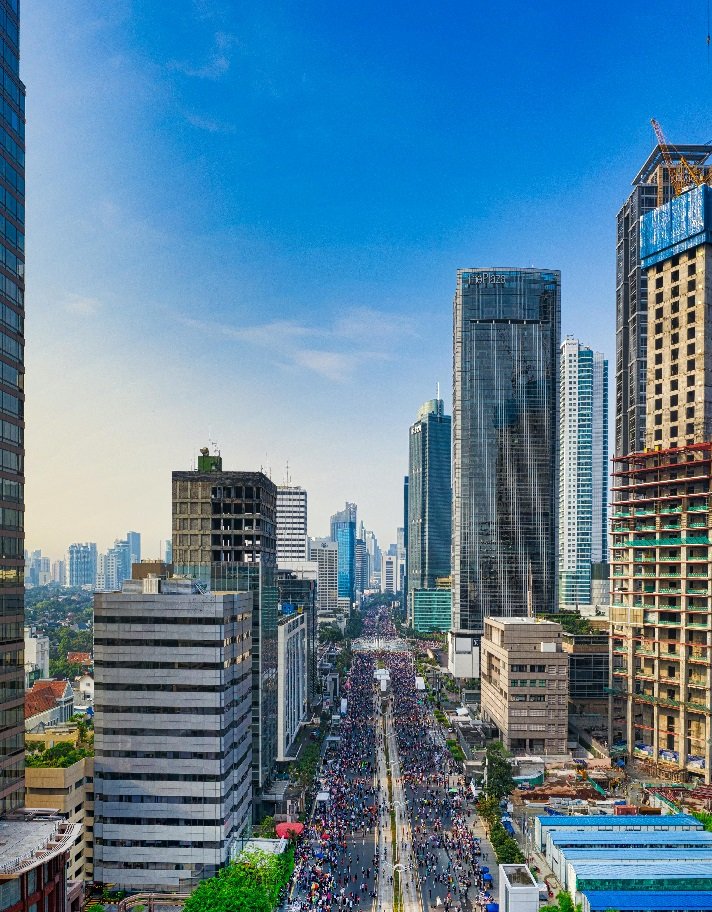
In a diverse nation like Indonesia, where corruption and religious influences hold significant sway, the business landscape can be a complex terrain to navigate. This article delves into how corruption, religious power, and successful companies intersect in the Indonesian context. Corruption has been a longstanding issue in Indonesia, permeating various aspects of society, including business and politics. The intertwining of corruption and business is often attributed to practices such as bribery, nepotism, and embezzlement. Companies willing to engage in corrupt activities may gain advantages such as faster approvals, access to resources, and favorable contracts, putting them ahead of competitors. However, the long-term consequences of such unethical practices can be detrimental, leading to instability, distrust, and a stifling of innovation and growth. Religious power also plays a significant role in Indonesia, where a diverse array of beliefs coexist, including Islam, Christianity, Hinduism, Buddhism, and indigenous faiths. Religious leaders and organizations wield influence over their followers, shaping societal norms and values. In the business realm, companies may seek to align themselves with religious figures or institutions to gain legitimacy, trust, and support from the community. However, the intertwining of religion and business can also be a double-edged sword, as controversies may arise if ethical boundaries are crossed or if religious principles are exploited for personal gain. Amidst the challenges posed by corruption and religious power, there are Indonesian companies that have managed to rise above the fray and achieve success through ethical practices, innovation, and a commitment to social responsibility. These companies set an example for others by demonstrating that sustainable growth and profitability can be achieved without compromising integrity or exploiting religious sentiments. Some of the best Indonesian companies that have earned recognition for their achievements include PT Telekomunikasi Indonesia (Telkom), known for its leadership in the telecommunications sector; PT Bank Central Asia Tbk (BCA), a prominent player in the banking industry; and PT Astra International Tbk, a diversified conglomerate with interests in automotive, agribusiness, and more. These companies have not only excelled in their respective industries but have also demonstrated a commitment to transparency, good governance, and community engagement. As Indonesia strives towards greater economic development and social progress, the intertwined challenges of corruption and religious power continue to shape the business landscape. By learning from the successes of ethical companies and working towards a more transparent and accountable business environment, Indonesia can pave the way for sustainable growth and prosperity for all its stakeholders. In conclusion, the intersection of corruption, religious power, and successful Indonesian companies reflects a complex interplay of forces that shape the business landscape in the archipelago. By promoting ethical practices, upholding transparency, and fostering a culture of integrity, Indonesian companies can navigate these challenges and emerge as beacons of success and inspiration in a rapidly evolving global economy. For a deeper dive, visit: https://www.discutir.org
https://sunpowerpanels.com
https://continuar.org
https://religieuse.org
Leave a Comment:
SEARCH
Recent News
- Zurich, Switzerland and Vancouver, Canada are two vibrant cities with distinct characteristics that make them stand out in their respective regions. While Zurich is known for its financial prowess and high quality of life, Vancouver is a bustling hub of business and innovation on the west coast of Canada. Let's take a closer look at how these two cities compare in terms of their business environments.
- Located in the heart of Switzerland, Zurich is known for its stunning natural beauty, bustling city life, and thriving business environment. The city attracts businesses from all over the world, thanks to its robust infrastructure, highly skilled workforce, and favorable economic policies. For UK businesses looking to expand or set up operations in Zurich, there are a number of government business support programs available to help navigate the process.
- Zurich, Switzerland and Tokyo, Japan are two dynamic cities with thriving business scenes. Both cities are prominent global financial centers and are known for their innovation, economic stability, and high quality of life. In this blog post, we will explore the unique business environments in Zurich and Tokyo and compare the two cities in terms of business opportunities, infrastructure, and work culture.
- Zurich, Switzerland and Sydney, Australia are two vibrant business hubs that offer unique experiences for entrepreneurs and professionals alike. From finance and banking to tech startups and creative industries, both cities have established themselves as key players in the global business landscape. Let's take a closer look at what makes Zurich and Sydney standout in the business world.
- Zurich, Switzerland, is a vibrant city known for its scenic beauty, rich history, and thriving business environment. One interesting aspect of Zurich's business landscape is the presence of Sudanese entrepreneurs who have made their mark in various industries in the city.
- Zurich, Switzerland is known for its vibrant small business community, with entrepreneurs driving innovation and growth in various industries. However, starting or expanding a small business often requires financial support in the form of small business loans. These loans can provide the necessary capital for businesses to invest in equipment, hire employees, expand operations, or launch new products or services.
- Zurich, Switzerland is a picturesque city known for its beautiful architecture, vibrant cultural scene, and high quality of life. On the other hand, Shanghai, China is a bustling metropolis that serves as a major financial and business hub in Asia. Let's explore how these two cities compare in terms of business opportunities and what makes them unique in their own ways.
- Zurich, Switzerland and Quebec, Canada are two distinct regions with unique business environments. Let's delve into the differences and similarities when it comes to conducting business in these two locations.
READ MORE
11 months ago Category :

Zurich, Switzerland and Vancouver, Canada are two vibrant cities with distinct characteristics that make them stand out in their respective regions. While Zurich is known for its financial prowess and high quality of life, Vancouver is a bustling hub of business and innovation on the west coast of Canada. Let's take a closer look at how these two cities compare in terms of their business environments.
Read More →11 months ago Category :

Located in the heart of Switzerland, Zurich is known for its stunning natural beauty, bustling city life, and thriving business environment. The city attracts businesses from all over the world, thanks to its robust infrastructure, highly skilled workforce, and favorable economic policies. For UK businesses looking to expand or set up operations in Zurich, there are a number of government business support programs available to help navigate the process.
Read More →11 months ago Category :

Zurich, Switzerland and Tokyo, Japan are two dynamic cities with thriving business scenes. Both cities are prominent global financial centers and are known for their innovation, economic stability, and high quality of life. In this blog post, we will explore the unique business environments in Zurich and Tokyo and compare the two cities in terms of business opportunities, infrastructure, and work culture.
Read More →11 months ago Category :
