**Exploring the Connection Between Chances, Probability, Best Indonesian Companies, and Economic Welfare Theory**
Category : | Sub Category : Posted on 2024-10-05 22:25:23
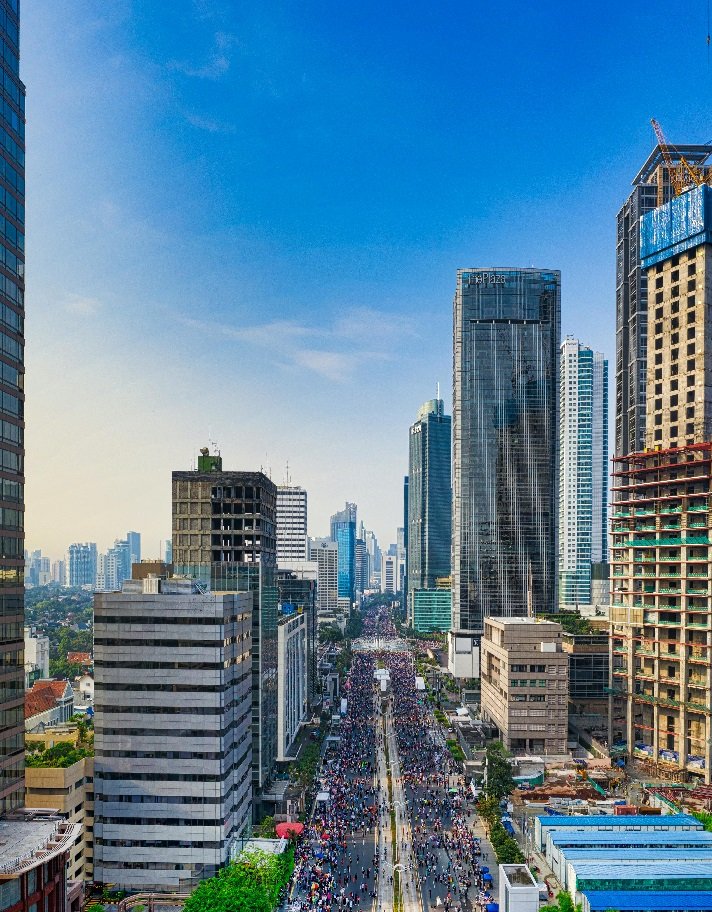
In the realm of economics and business, the concepts of chances, probability, best Indonesian companies, and economic welfare theory are deeply interconnected. Understanding how these elements relate to one another can provide valuable insights into the dynamics of the Indonesian economy and the well-being of its populace. **Chances and Probability** Chances and probability play a significant role in decision-making processes within the business world. Companies often use statistical data and probability models to assess risks, forecast outcomes, and make strategic choices. By analyzing the likelihood of certain events occurring, businesses can better prepare for various scenarios and adapt their strategies accordingly. In the context of Indonesian companies, understanding chances and probabilities can help firms navigate the dynamic and competitive market landscape. Whether it's evaluating the potential success of a new product launch or assessing the risks of expanding into a new market, having a firm grasp of probabilities can give companies a strategic advantage. **Best Indonesian Companies** Identifying the best Indonesian companies is crucial for promoting economic growth and prosperity within the country. These top-performing firms serve as drivers of innovation, job creation, and overall economic development. By recognizing and celebrating the achievements of these companies, Indonesia can attract investment, talent, and opportunities that benefit the entire economy. Moreover, the success of the best Indonesian companies can inspire others to strive for excellence and adopt best practices. This creates a ripple effect that elevates industry standards, boosts competitiveness, and fosters a culture of continuous improvement throughout the business community. **Economic Welfare Theory** Economic welfare theory seeks to analyze how various economic activities and policies impact the well-being of individuals and society as a whole. By studying factors such as income distribution, consumer behavior, and market efficiency, economists can assess the overall welfare of a population and identify opportunities for improvement. In the context of Indonesia, economic welfare theory can inform policy decisions aimed at promoting inclusive growth, reducing poverty, and enhancing social welfare. By focusing on maximizing the well-being of all citizens, policymakers can create a more equitable and sustainable economic system that benefits everyone. **Conclusion** The connections between chances, probability, best Indonesian companies, and economic welfare theory underscore the intricate relationship between business success, economic prosperity, and social welfare. By leveraging data-driven insights, promoting excellence in the business sector, and prioritizing the well-being of its citizens, Indonesia can chart a path towards sustainable growth and shared prosperity for all.
https://continuar.org
Leave a Comment:
SEARCH
Recent News
- Zurich, Switzerland and Vancouver, Canada are two vibrant cities with distinct characteristics that make them stand out in their respective regions. While Zurich is known for its financial prowess and high quality of life, Vancouver is a bustling hub of business and innovation on the west coast of Canada. Let's take a closer look at how these two cities compare in terms of their business environments.
- Located in the heart of Switzerland, Zurich is known for its stunning natural beauty, bustling city life, and thriving business environment. The city attracts businesses from all over the world, thanks to its robust infrastructure, highly skilled workforce, and favorable economic policies. For UK businesses looking to expand or set up operations in Zurich, there are a number of government business support programs available to help navigate the process.
- Zurich, Switzerland and Tokyo, Japan are two dynamic cities with thriving business scenes. Both cities are prominent global financial centers and are known for their innovation, economic stability, and high quality of life. In this blog post, we will explore the unique business environments in Zurich and Tokyo and compare the two cities in terms of business opportunities, infrastructure, and work culture.
- Zurich, Switzerland and Sydney, Australia are two vibrant business hubs that offer unique experiences for entrepreneurs and professionals alike. From finance and banking to tech startups and creative industries, both cities have established themselves as key players in the global business landscape. Let's take a closer look at what makes Zurich and Sydney standout in the business world.
- Zurich, Switzerland, is a vibrant city known for its scenic beauty, rich history, and thriving business environment. One interesting aspect of Zurich's business landscape is the presence of Sudanese entrepreneurs who have made their mark in various industries in the city.
- Zurich, Switzerland is known for its vibrant small business community, with entrepreneurs driving innovation and growth in various industries. However, starting or expanding a small business often requires financial support in the form of small business loans. These loans can provide the necessary capital for businesses to invest in equipment, hire employees, expand operations, or launch new products or services.
- Zurich, Switzerland is a picturesque city known for its beautiful architecture, vibrant cultural scene, and high quality of life. On the other hand, Shanghai, China is a bustling metropolis that serves as a major financial and business hub in Asia. Let's explore how these two cities compare in terms of business opportunities and what makes them unique in their own ways.
- Zurich, Switzerland and Quebec, Canada are two distinct regions with unique business environments. Let's delve into the differences and similarities when it comes to conducting business in these two locations.
READ MORE
11 months ago Category :

Zurich, Switzerland and Vancouver, Canada are two vibrant cities with distinct characteristics that make them stand out in their respective regions. While Zurich is known for its financial prowess and high quality of life, Vancouver is a bustling hub of business and innovation on the west coast of Canada. Let's take a closer look at how these two cities compare in terms of their business environments.
Read More →11 months ago Category :

Located in the heart of Switzerland, Zurich is known for its stunning natural beauty, bustling city life, and thriving business environment. The city attracts businesses from all over the world, thanks to its robust infrastructure, highly skilled workforce, and favorable economic policies. For UK businesses looking to expand or set up operations in Zurich, there are a number of government business support programs available to help navigate the process.
Read More →11 months ago Category :

Zurich, Switzerland and Tokyo, Japan are two dynamic cities with thriving business scenes. Both cities are prominent global financial centers and are known for their innovation, economic stability, and high quality of life. In this blog post, we will explore the unique business environments in Zurich and Tokyo and compare the two cities in terms of business opportunities, infrastructure, and work culture.
Read More →11 months ago Category :
