Navigating Business Closure and Finishing Strategies in China: Lessons Learned from Indonesian Companies
Category : | Sub Category : Posted on 2024-10-05 22:25:23
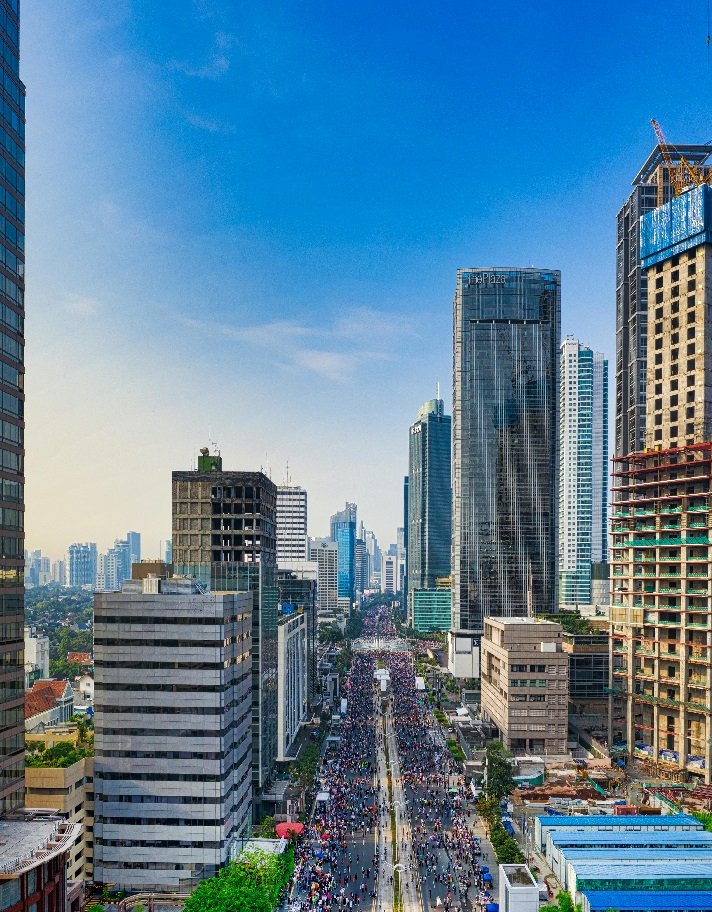
As the global business landscape continues to evolve, companies are faced with various challenges that may eventually lead to closure. In China, where the business environment can be dynamic and competitive, it is essential for companies to have effective strategies in place to navigate closure and finish operations gracefully. Drawing insights from successful Indonesian companies, there are valuable lessons that businesses in China can learn to manage closure and mitigate risks. One of the key strategies that Indonesian companies have employed is proactive planning. Rather than waiting until the last minute to address issues, companies should anticipate challenges and develop a roadmap for closure. This includes identifying potential risks, such as regulatory hurdles or financial constraints, and implementing measures to mitigate them. By taking a proactive approach, companies can ensure a smoother transition during closure. Additionally, communication plays a crucial role in the closure process. Indonesian companies have emphasized the importance of transparent and open communication with stakeholders, including employees, customers, suppliers, and regulatory authorities. By keeping all relevant parties informed throughout the closure process, companies can build trust and minimize uncertainties. Clear communication can also help in managing any potential reputation risks that may arise from the closure. Another valuable lesson from Indonesian companies is the importance of prioritizing legal compliance during closure. In China, adhering to local regulations and requirements is essential to avoid penalties and legal challenges. Indonesian companies have demonstrated the significance of conducting thorough due diligence and seeking legal guidance to ensure that all closure activities are in compliance with the law. By prioritizing legal considerations, companies can minimize the risk of facing legal repercussions post-closure. Furthermore, Indonesian companies have highlighted the significance of engaging with employees during the closure process. Employees are a crucial asset to any business, and their well-being should be a priority, even during closure. Providing support, guidance, and clear communication to employees can help in easing the transition and maintaining morale. Indonesian companies have shown that by treating employees with respect and empathy, companies can uphold their reputation and foster goodwill even as they wind down operations. In conclusion, navigating business closure and finishing strategies in China can be challenging, but by drawing insights from successful Indonesian companies, businesses can better prepare for closure and mitigate risks effectively. By adopting proactive planning, transparent communication, legal compliance, and employee engagement, companies can navigate closure with minimal disruptions and safeguard their reputation in the marketplace. Learning from the experiences of others is key to thriving in the ever-changing business landscape, and Indonesian companies offer valuable lessons for businesses in China looking to navigate closure successfully. For additional information, refer to: https://www.enotifikasi.com For more information about this: https://www.konsultan.org
https://toguangzhou.com
https://2gz.org
https://china-directory.com
https://continuar.org
Leave a Comment:
SEARCH
Recent News
- Zurich, Switzerland and Vancouver, Canada are two vibrant cities with distinct characteristics that make them stand out in their respective regions. While Zurich is known for its financial prowess and high quality of life, Vancouver is a bustling hub of business and innovation on the west coast of Canada. Let's take a closer look at how these two cities compare in terms of their business environments.
- Located in the heart of Switzerland, Zurich is known for its stunning natural beauty, bustling city life, and thriving business environment. The city attracts businesses from all over the world, thanks to its robust infrastructure, highly skilled workforce, and favorable economic policies. For UK businesses looking to expand or set up operations in Zurich, there are a number of government business support programs available to help navigate the process.
- Zurich, Switzerland and Tokyo, Japan are two dynamic cities with thriving business scenes. Both cities are prominent global financial centers and are known for their innovation, economic stability, and high quality of life. In this blog post, we will explore the unique business environments in Zurich and Tokyo and compare the two cities in terms of business opportunities, infrastructure, and work culture.
- Zurich, Switzerland and Sydney, Australia are two vibrant business hubs that offer unique experiences for entrepreneurs and professionals alike. From finance and banking to tech startups and creative industries, both cities have established themselves as key players in the global business landscape. Let's take a closer look at what makes Zurich and Sydney standout in the business world.
- Zurich, Switzerland, is a vibrant city known for its scenic beauty, rich history, and thriving business environment. One interesting aspect of Zurich's business landscape is the presence of Sudanese entrepreneurs who have made their mark in various industries in the city.
- Zurich, Switzerland is known for its vibrant small business community, with entrepreneurs driving innovation and growth in various industries. However, starting or expanding a small business often requires financial support in the form of small business loans. These loans can provide the necessary capital for businesses to invest in equipment, hire employees, expand operations, or launch new products or services.
- Zurich, Switzerland is a picturesque city known for its beautiful architecture, vibrant cultural scene, and high quality of life. On the other hand, Shanghai, China is a bustling metropolis that serves as a major financial and business hub in Asia. Let's explore how these two cities compare in terms of business opportunities and what makes them unique in their own ways.
- Zurich, Switzerland and Quebec, Canada are two distinct regions with unique business environments. Let's delve into the differences and similarities when it comes to conducting business in these two locations.
READ MORE
11 months ago Category :

Zurich, Switzerland and Vancouver, Canada are two vibrant cities with distinct characteristics that make them stand out in their respective regions. While Zurich is known for its financial prowess and high quality of life, Vancouver is a bustling hub of business and innovation on the west coast of Canada. Let's take a closer look at how these two cities compare in terms of their business environments.
Read More →11 months ago Category :

Located in the heart of Switzerland, Zurich is known for its stunning natural beauty, bustling city life, and thriving business environment. The city attracts businesses from all over the world, thanks to its robust infrastructure, highly skilled workforce, and favorable economic policies. For UK businesses looking to expand or set up operations in Zurich, there are a number of government business support programs available to help navigate the process.
Read More →11 months ago Category :

Zurich, Switzerland and Tokyo, Japan are two dynamic cities with thriving business scenes. Both cities are prominent global financial centers and are known for their innovation, economic stability, and high quality of life. In this blog post, we will explore the unique business environments in Zurich and Tokyo and compare the two cities in terms of business opportunities, infrastructure, and work culture.
Read More →11 months ago Category :
