The Intersection of Corruption, Religious Power, and Top Indonesian Companies
Category : | Sub Category : Posted on 2024-10-05 22:25:23
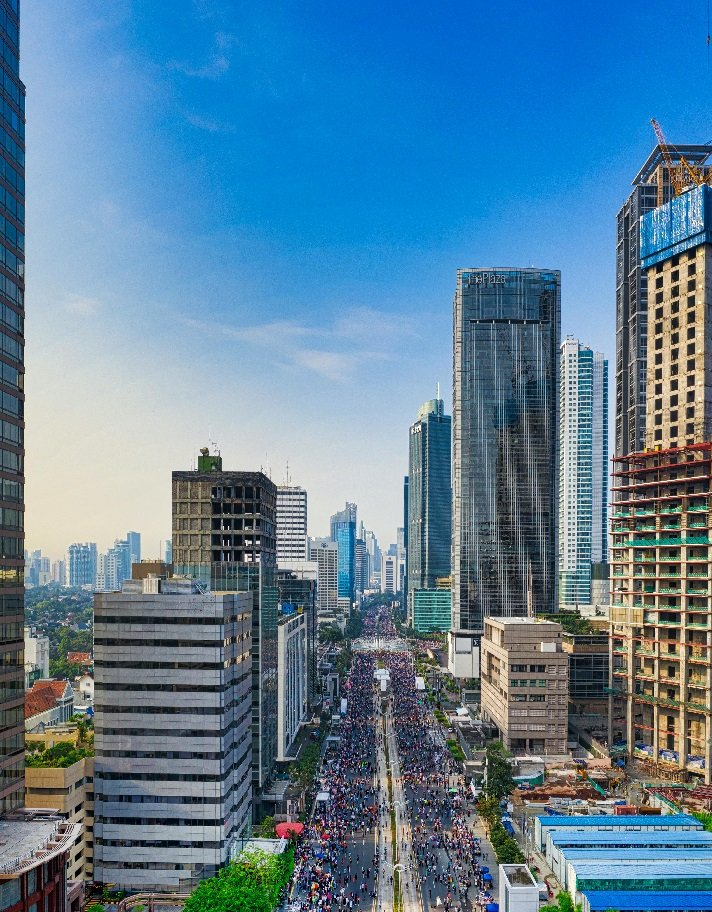
In recent years, the issue of corruption and the influence of religious power have been pivotal topics in shaping the socio-political landscape in countries like China. At the same time, Indonesian companies have been making waves in various industries, showcasing their competence and potential on the global stage. Let's delve into how these themes intersect and point to the evolving landscape of power dynamics and ethical considerations. Corruption has long plagued governments worldwide, and China is no exception. The intertwining of political power and financial gain has led to numerous scandals and controversies that have shaken the trust of the public in their leaders. From bribery to embezzlement, corruption can manifest in various forms, with far-reaching consequences for economic development and social cohesion. In contrast, the role of religious power in China has been a complex and often contested issue. The Chinese government's stance on religion, particularly on minority groups like the Uighurs and Tibetans, has been a subject of international scrutiny. The suppression of religious freedoms and the use of state power to control spiritual practices highlight a broader struggle between authority and individual rights. Meanwhile, Indonesian companies have been carving out their place in the global market, showcasing innovation and resilience across sectors like technology, finance, and energy. Companies like Gojek, Tokopedia, and Bank Mandiri have demonstrated their ability to compete with international counterparts, attracting investment and fostering economic growth in Indonesia. As Indonesia's top companies continue to expand their reach and influence, questions of corporate responsibility and ethical practices come to the forefront. The intersection of economic power and social impact underscores the need for transparency, accountability, and adherence to ethical standards in business operations. In this evolving landscape, the dynamics of corruption, religious power, and corporate influence intersect, shaping the narrative of power and responsibility in society. As stakeholders navigate these complex issues, a commitment to integrity, social justice, and ethical leadership will be essential in fostering sustainable growth and fostering positive change. In summary, the convergence of corruption, religious power, and the rise of top Indonesian companies reflects a broader narrative of power dynamics, ethical considerations, and societal values. By engaging with these themes thoughtfully and proactively, we can work towards a more equitable and sustainable future for all.
https://toguangzhou.com
https://2gz.org
https://china-directory.com
https://sunpowerpanels.com
https://continuar.org
https://religieuse.org
Leave a Comment:
SEARCH
Recent News
- Zurich, Switzerland and Vancouver, Canada are two vibrant cities with distinct characteristics that make them stand out in their respective regions. While Zurich is known for its financial prowess and high quality of life, Vancouver is a bustling hub of business and innovation on the west coast of Canada. Let's take a closer look at how these two cities compare in terms of their business environments.
- Located in the heart of Switzerland, Zurich is known for its stunning natural beauty, bustling city life, and thriving business environment. The city attracts businesses from all over the world, thanks to its robust infrastructure, highly skilled workforce, and favorable economic policies. For UK businesses looking to expand or set up operations in Zurich, there are a number of government business support programs available to help navigate the process.
- Zurich, Switzerland and Tokyo, Japan are two dynamic cities with thriving business scenes. Both cities are prominent global financial centers and are known for their innovation, economic stability, and high quality of life. In this blog post, we will explore the unique business environments in Zurich and Tokyo and compare the two cities in terms of business opportunities, infrastructure, and work culture.
- Zurich, Switzerland and Sydney, Australia are two vibrant business hubs that offer unique experiences for entrepreneurs and professionals alike. From finance and banking to tech startups and creative industries, both cities have established themselves as key players in the global business landscape. Let's take a closer look at what makes Zurich and Sydney standout in the business world.
- Zurich, Switzerland, is a vibrant city known for its scenic beauty, rich history, and thriving business environment. One interesting aspect of Zurich's business landscape is the presence of Sudanese entrepreneurs who have made their mark in various industries in the city.
- Zurich, Switzerland is known for its vibrant small business community, with entrepreneurs driving innovation and growth in various industries. However, starting or expanding a small business often requires financial support in the form of small business loans. These loans can provide the necessary capital for businesses to invest in equipment, hire employees, expand operations, or launch new products or services.
- Zurich, Switzerland is a picturesque city known for its beautiful architecture, vibrant cultural scene, and high quality of life. On the other hand, Shanghai, China is a bustling metropolis that serves as a major financial and business hub in Asia. Let's explore how these two cities compare in terms of business opportunities and what makes them unique in their own ways.
- Zurich, Switzerland and Quebec, Canada are two distinct regions with unique business environments. Let's delve into the differences and similarities when it comes to conducting business in these two locations.
READ MORE
11 months ago Category :

Zurich, Switzerland and Vancouver, Canada are two vibrant cities with distinct characteristics that make them stand out in their respective regions. While Zurich is known for its financial prowess and high quality of life, Vancouver is a bustling hub of business and innovation on the west coast of Canada. Let's take a closer look at how these two cities compare in terms of their business environments.
Read More →11 months ago Category :

Located in the heart of Switzerland, Zurich is known for its stunning natural beauty, bustling city life, and thriving business environment. The city attracts businesses from all over the world, thanks to its robust infrastructure, highly skilled workforce, and favorable economic policies. For UK businesses looking to expand or set up operations in Zurich, there are a number of government business support programs available to help navigate the process.
Read More →11 months ago Category :

Zurich, Switzerland and Tokyo, Japan are two dynamic cities with thriving business scenes. Both cities are prominent global financial centers and are known for their innovation, economic stability, and high quality of life. In this blog post, we will explore the unique business environments in Zurich and Tokyo and compare the two cities in terms of business opportunities, infrastructure, and work culture.
Read More →11 months ago Category :
