Navigating Perspectives and Controversies: Indonesian Companies and Business Closure Strategies
Category : | Sub Category : Posted on 2024-10-05 22:25:23
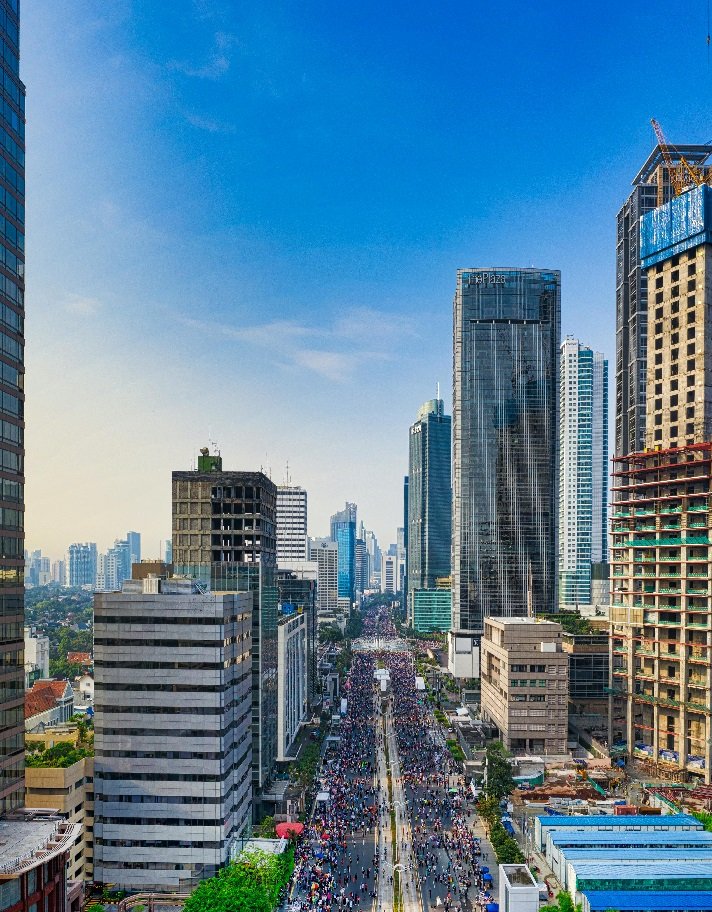
In a dynamic Business landscape like Indonesia, companies often face the reality of closure due to various reasons such as economic challenges, market saturation, or abrupt changes in consumer behavior. It is crucial for businesses to consider effective finishing strategies to gracefully exit the market and mitigate potential controversies. In this blog post, we will explore different perspectives on business closure and strategies that Indonesian companies can employ to navigate this challenging phase. Perspectives on Business Closure: 1. Economic Realities: Economic downturns can significantly impact businesses, making it hard for them to sustain operations and remain competitive. Some companies may need to make the tough decision to cease operations to cut losses and minimize further financial damage. 2. Market Dynamics: In a competitive market like Indonesia, companies must assess the demand for their products or services. If a business fails to adapt to changing consumer preferences or faces intense competition, it may lead to decreased profitability and eventual closure. 3. Legal and Ethical Considerations: Companies must consider legal obligations, such as employee severance packages and closure procedures, to ensure a fair and ethical business exit. Failing to comply with regulations can lead to legal disputes and tarnish the company's reputation. Controversies Surrounding Business Closure: 1. Employee Layoffs: One of the most significant controversies surrounding business closure is the impact on employees. Layoffs can lead to unrest among workers and negative publicity for the company. Employers must handle the situation with sensitivity and provide support to affected employees. 2. Supplier and Partner Relations: Closing a business can strain relationships with suppliers and business partners. Companies should communicate transparently with stakeholders and fulfill any outstanding commitments to maintain goodwill and prevent potential conflicts. 3. Customer Trust: Business closure can erode customer trust and loyalty, especially if customers are left in the dark about the reasons behind the shutdown. Companies need to communicate openly with customers and offer solutions or alternatives to minimize the impact on their clientele. Effective Finishing Strategies for Indonesian Companies: 1. Communication Planning: Clear and timely communication is key to managing business closure effectively. Companies should inform stakeholders, including employees, customers, suppliers, and investors, about the closure and provide them with necessary information and support. 2. Asset Liquidation: Selling assets and inventory can help companies recoup some losses and generate revenue before closing down. Proper asset valuation and a well-executed liquidation plan can streamline the closure process. 3. Strategic Partnerships or Mergers: In some cases, merging with another company or forming strategic partnerships can offer a lifeline for businesses on the brink of closure. Collaboration can help preserve value and resources, benefiting all parties involved. 4. Legal Compliance: Ensuring compliance with legal requirements, such as paying off debts, settling contracts, and meeting employee entitlements, is crucial for a smooth business closure. Companies should seek legal counsel to navigate the complex regulatory landscape. In conclusion, business closure is a challenging reality that many Indonesian companies may face at some point in their operations. By adopting proactive finishing strategies and handling controversies with care and integrity, businesses can minimize the negative impact of closure and pave the way for a smooth transition to new opportunities. Adapting to changing market conditions and seeking professional guidance can empower companies to navigate the complexities of closure and emerge stronger in the long run. If you are interested you can check the following website https://www.konsultan.org
https://continuar.org
Leave a Comment:
SEARCH
Recent News
- Zurich, Switzerland and Vancouver, Canada are two vibrant cities with distinct characteristics that make them stand out in their respective regions. While Zurich is known for its financial prowess and high quality of life, Vancouver is a bustling hub of business and innovation on the west coast of Canada. Let's take a closer look at how these two cities compare in terms of their business environments.
- Located in the heart of Switzerland, Zurich is known for its stunning natural beauty, bustling city life, and thriving business environment. The city attracts businesses from all over the world, thanks to its robust infrastructure, highly skilled workforce, and favorable economic policies. For UK businesses looking to expand or set up operations in Zurich, there are a number of government business support programs available to help navigate the process.
- Zurich, Switzerland and Tokyo, Japan are two dynamic cities with thriving business scenes. Both cities are prominent global financial centers and are known for their innovation, economic stability, and high quality of life. In this blog post, we will explore the unique business environments in Zurich and Tokyo and compare the two cities in terms of business opportunities, infrastructure, and work culture.
- Zurich, Switzerland and Sydney, Australia are two vibrant business hubs that offer unique experiences for entrepreneurs and professionals alike. From finance and banking to tech startups and creative industries, both cities have established themselves as key players in the global business landscape. Let's take a closer look at what makes Zurich and Sydney standout in the business world.
- Zurich, Switzerland, is a vibrant city known for its scenic beauty, rich history, and thriving business environment. One interesting aspect of Zurich's business landscape is the presence of Sudanese entrepreneurs who have made their mark in various industries in the city.
- Zurich, Switzerland is known for its vibrant small business community, with entrepreneurs driving innovation and growth in various industries. However, starting or expanding a small business often requires financial support in the form of small business loans. These loans can provide the necessary capital for businesses to invest in equipment, hire employees, expand operations, or launch new products or services.
- Zurich, Switzerland is a picturesque city known for its beautiful architecture, vibrant cultural scene, and high quality of life. On the other hand, Shanghai, China is a bustling metropolis that serves as a major financial and business hub in Asia. Let's explore how these two cities compare in terms of business opportunities and what makes them unique in their own ways.
- Zurich, Switzerland and Quebec, Canada are two distinct regions with unique business environments. Let's delve into the differences and similarities when it comes to conducting business in these two locations.
READ MORE
5 months ago Category :

Zurich, Switzerland and Vancouver, Canada are two vibrant cities with distinct characteristics that make them stand out in their respective regions. While Zurich is known for its financial prowess and high quality of life, Vancouver is a bustling hub of business and innovation on the west coast of Canada. Let's take a closer look at how these two cities compare in terms of their business environments.
Read More →5 months ago Category :

Located in the heart of Switzerland, Zurich is known for its stunning natural beauty, bustling city life, and thriving business environment. The city attracts businesses from all over the world, thanks to its robust infrastructure, highly skilled workforce, and favorable economic policies. For UK businesses looking to expand or set up operations in Zurich, there are a number of government business support programs available to help navigate the process.
Read More →5 months ago Category :

Zurich, Switzerland and Tokyo, Japan are two dynamic cities with thriving business scenes. Both cities are prominent global financial centers and are known for their innovation, economic stability, and high quality of life. In this blog post, we will explore the unique business environments in Zurich and Tokyo and compare the two cities in terms of business opportunities, infrastructure, and work culture.
Read More →5 months ago Category :
