Exploring Perspectives and Controversies Surrounding Debt and Loans Among the Best Indonesian Companies
Category : | Sub Category : Posted on 2024-10-05 22:25:23
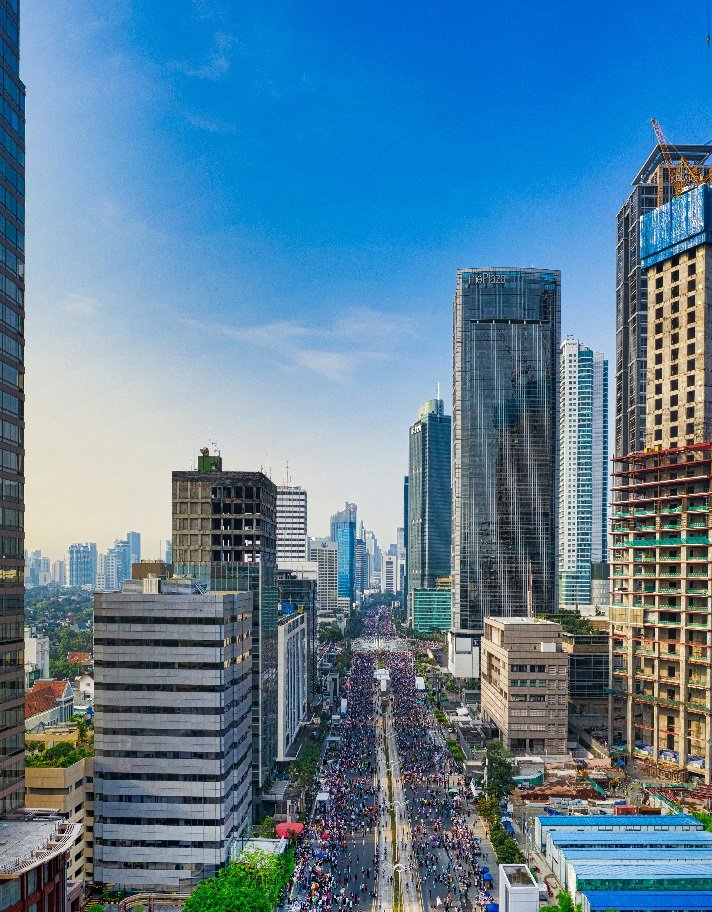
In the dynamic and competitive landscape of Indonesian businesses, the management of debt and loans is a critical aspect that can significantly impact the performance and sustainability of companies. As we delve into the realm of the best Indonesian companies, it is imperative to explore the varying perspectives and controversies surrounding debt and loans within this context. Debt can be a double-edged sword for businesses. On one hand, it can provide necessary capital for investments, expansion, and operational activities. However, excessive debt levels can also pose risks, such as financial instability and a burden of interest payments. The best Indonesian companies navigate this fine line cautiously, leveraging debt as a strategic tool while ensuring financial prudence. One perspective often highlighted is that debt serves as a catalyst for growth and innovation among the best Indonesian companies. By utilizing loans for strategic investments in technology, infrastructure, and human capital, companies can enhance their competitive position and drive long-term value creation. This proactive approach to debt management enables these companies to seize opportunities for expansion in a rapidly evolving market. Conversely, there are controversies surrounding debt and loans within Indonesian companies, particularly related to issues of transparency, accountability, and sustainability. Questions arise regarding the disclosure of debt levels, terms of loans, and potential risks associated with high leverage. Critics argue that inadequate debt management practices can lead to financial distress, erode shareholder value, and undermine the stability of the overall economy. Moreover, the reliance on debt financing can expose companies to external vulnerabilities, especially in the face of economic downturns or market fluctuations. The best Indonesian companies must strike a balance between leveraging debt for growth and ensuring resilience against potential financial shocks. This delicate equilibrium requires robust risk management frameworks, effective governance structures, and a commitment to financial sustainability. In conclusion, the management of debt and loans among the best Indonesian companies reflects a nuanced interplay of perspectives and controversies. While debt can be a powerful tool for driving growth and innovation, it also entails risks that necessitate careful consideration and mitigation strategies. By embracing transparency, accountability, and long-term sustainability in their debt management practices, Indonesian companies can uphold their reputation as industry leaders while navigating the complexities of the modern business environment. Find expert opinions in https://www.konsultan.org
https://continuar.org
Leave a Comment:
SEARCH
Recent News
- Zurich, Switzerland and Vancouver, Canada are two vibrant cities with distinct characteristics that make them stand out in their respective regions. While Zurich is known for its financial prowess and high quality of life, Vancouver is a bustling hub of business and innovation on the west coast of Canada. Let's take a closer look at how these two cities compare in terms of their business environments.
- Located in the heart of Switzerland, Zurich is known for its stunning natural beauty, bustling city life, and thriving business environment. The city attracts businesses from all over the world, thanks to its robust infrastructure, highly skilled workforce, and favorable economic policies. For UK businesses looking to expand or set up operations in Zurich, there are a number of government business support programs available to help navigate the process.
- Zurich, Switzerland and Tokyo, Japan are two dynamic cities with thriving business scenes. Both cities are prominent global financial centers and are known for their innovation, economic stability, and high quality of life. In this blog post, we will explore the unique business environments in Zurich and Tokyo and compare the two cities in terms of business opportunities, infrastructure, and work culture.
- Zurich, Switzerland and Sydney, Australia are two vibrant business hubs that offer unique experiences for entrepreneurs and professionals alike. From finance and banking to tech startups and creative industries, both cities have established themselves as key players in the global business landscape. Let's take a closer look at what makes Zurich and Sydney standout in the business world.
- Zurich, Switzerland, is a vibrant city known for its scenic beauty, rich history, and thriving business environment. One interesting aspect of Zurich's business landscape is the presence of Sudanese entrepreneurs who have made their mark in various industries in the city.
- Zurich, Switzerland is known for its vibrant small business community, with entrepreneurs driving innovation and growth in various industries. However, starting or expanding a small business often requires financial support in the form of small business loans. These loans can provide the necessary capital for businesses to invest in equipment, hire employees, expand operations, or launch new products or services.
- Zurich, Switzerland is a picturesque city known for its beautiful architecture, vibrant cultural scene, and high quality of life. On the other hand, Shanghai, China is a bustling metropolis that serves as a major financial and business hub in Asia. Let's explore how these two cities compare in terms of business opportunities and what makes them unique in their own ways.
- Zurich, Switzerland and Quebec, Canada are two distinct regions with unique business environments. Let's delve into the differences and similarities when it comes to conducting business in these two locations.
READ MORE
5 months ago Category :

Zurich, Switzerland and Vancouver, Canada are two vibrant cities with distinct characteristics that make them stand out in their respective regions. While Zurich is known for its financial prowess and high quality of life, Vancouver is a bustling hub of business and innovation on the west coast of Canada. Let's take a closer look at how these two cities compare in terms of their business environments.
Read More →5 months ago Category :

Located in the heart of Switzerland, Zurich is known for its stunning natural beauty, bustling city life, and thriving business environment. The city attracts businesses from all over the world, thanks to its robust infrastructure, highly skilled workforce, and favorable economic policies. For UK businesses looking to expand or set up operations in Zurich, there are a number of government business support programs available to help navigate the process.
Read More →5 months ago Category :

Zurich, Switzerland and Tokyo, Japan are two dynamic cities with thriving business scenes. Both cities are prominent global financial centers and are known for their innovation, economic stability, and high quality of life. In this blog post, we will explore the unique business environments in Zurich and Tokyo and compare the two cities in terms of business opportunities, infrastructure, and work culture.
Read More →5 months ago Category :
