Perspectives and Controversies: Complaints Against the Best Indonesian Companies
Category : | Sub Category : Posted on 2024-10-05 22:25:23
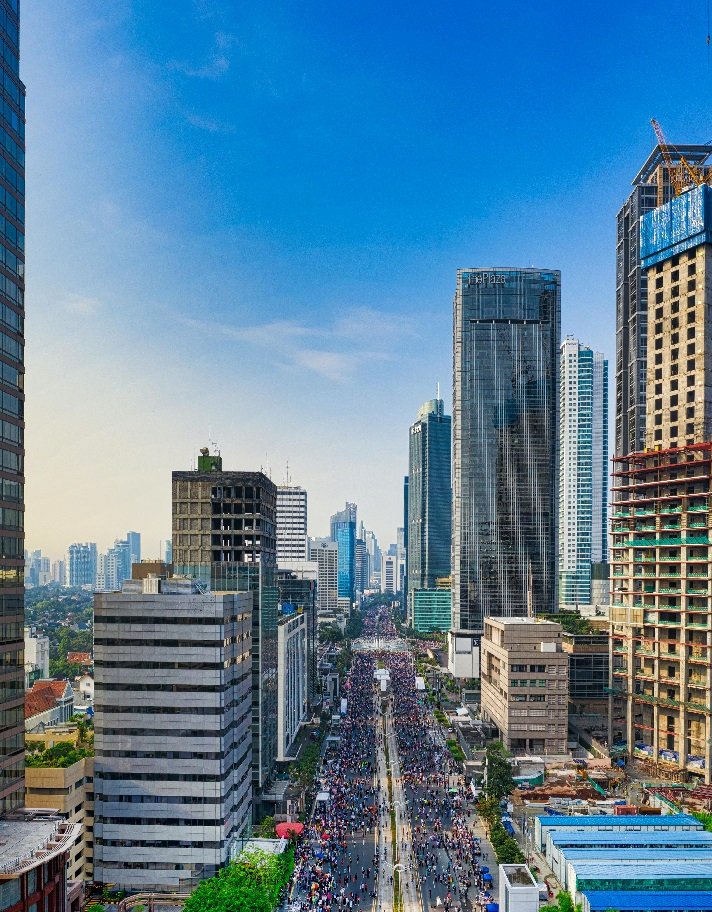
In any society, the business landscape plays a pivotal role in shaping the economy and providing essential goods and services to the population. Indonesia, as a rapidly developing country with a diverse market, boasts several renowned companies that have established themselves as leaders in their respective industries. However, with great success often comes increased scrutiny and public attention, leading to a range of perspectives and controversies surrounding these companies. While many of Indonesia's best companies have earned praise for their innovation, product quality, and contribution to the economy, they are not immune to criticism and complaints from consumers, stakeholders, and the general public. These complaints can stem from various issues, including customer service, product quality, labor practices, environmental impact, and corporate governance. One of the common complaints against top Indonesian companies revolves around customer service. Despite their success and reputation, some companies may struggle to provide satisfactory customer service, leading to frustrations among consumers. Issues such as long wait times, unresponsive customer support, and inefficient complaint resolution processes can tarnish a company's image and erode customer trust. Product quality is another area where complaints against leading Indonesian companies may arise. While many companies pride themselves on offering high-quality products, instances of defective or substandard goods can trigger consumer complaints and raise concerns about the company's commitment to quality control and customer satisfaction. Labor practices and corporate social responsibility are also important areas that can spark controversies and complaints against top Indonesian companies. Allegations of exploitative labor practices, poor working conditions, low wages, and lack of employee benefits can draw public criticism and damage a company's reputation, especially in an era where social consciousness and ethical business practices are increasingly valued. Furthermore, the environmental impact of Indonesian companies, particularly in industries such as mining, manufacturing, and agriculture, has been a subject of contention. Complaints about pollution, deforestation, habitat destruction, and other environmental issues can lead to conflicts with local communities, environmental activists, and regulatory authorities, prompting companies to address sustainability concerns and adopt more eco-friendly practices. In conclusion, while Indonesia's best companies have achieved remarkable success and recognition, they are not immune to complaints and controversies that can impact their reputation and standing in the market. Addressing consumer grievances, improving transparency, upholding ethical practices, and prioritizing social and environmental responsibility can help top Indonesian companies navigate challenges, build trust with stakeholders, and maintain their leading positions in the competitive business landscape. By actively addressing complaints and controversies, companies can demonstrate their commitment to continuous improvement, accountability, and sustainable business practices in the dynamic Indonesian market.
https://continuar.org
Leave a Comment:
SEARCH
Recent News
- Zurich, Switzerland and Vancouver, Canada are two vibrant cities with distinct characteristics that make them stand out in their respective regions. While Zurich is known for its financial prowess and high quality of life, Vancouver is a bustling hub of business and innovation on the west coast of Canada. Let's take a closer look at how these two cities compare in terms of their business environments.
- Located in the heart of Switzerland, Zurich is known for its stunning natural beauty, bustling city life, and thriving business environment. The city attracts businesses from all over the world, thanks to its robust infrastructure, highly skilled workforce, and favorable economic policies. For UK businesses looking to expand or set up operations in Zurich, there are a number of government business support programs available to help navigate the process.
- Zurich, Switzerland and Tokyo, Japan are two dynamic cities with thriving business scenes. Both cities are prominent global financial centers and are known for their innovation, economic stability, and high quality of life. In this blog post, we will explore the unique business environments in Zurich and Tokyo and compare the two cities in terms of business opportunities, infrastructure, and work culture.
- Zurich, Switzerland and Sydney, Australia are two vibrant business hubs that offer unique experiences for entrepreneurs and professionals alike. From finance and banking to tech startups and creative industries, both cities have established themselves as key players in the global business landscape. Let's take a closer look at what makes Zurich and Sydney standout in the business world.
- Zurich, Switzerland, is a vibrant city known for its scenic beauty, rich history, and thriving business environment. One interesting aspect of Zurich's business landscape is the presence of Sudanese entrepreneurs who have made their mark in various industries in the city.
- Zurich, Switzerland is known for its vibrant small business community, with entrepreneurs driving innovation and growth in various industries. However, starting or expanding a small business often requires financial support in the form of small business loans. These loans can provide the necessary capital for businesses to invest in equipment, hire employees, expand operations, or launch new products or services.
- Zurich, Switzerland is a picturesque city known for its beautiful architecture, vibrant cultural scene, and high quality of life. On the other hand, Shanghai, China is a bustling metropolis that serves as a major financial and business hub in Asia. Let's explore how these two cities compare in terms of business opportunities and what makes them unique in their own ways.
- Zurich, Switzerland and Quebec, Canada are two distinct regions with unique business environments. Let's delve into the differences and similarities when it comes to conducting business in these two locations.
READ MORE
5 months ago Category :

Zurich, Switzerland and Vancouver, Canada are two vibrant cities with distinct characteristics that make them stand out in their respective regions. While Zurich is known for its financial prowess and high quality of life, Vancouver is a bustling hub of business and innovation on the west coast of Canada. Let's take a closer look at how these two cities compare in terms of their business environments.
Read More →5 months ago Category :

Located in the heart of Switzerland, Zurich is known for its stunning natural beauty, bustling city life, and thriving business environment. The city attracts businesses from all over the world, thanks to its robust infrastructure, highly skilled workforce, and favorable economic policies. For UK businesses looking to expand or set up operations in Zurich, there are a number of government business support programs available to help navigate the process.
Read More →5 months ago Category :

Zurich, Switzerland and Tokyo, Japan are two dynamic cities with thriving business scenes. Both cities are prominent global financial centers and are known for their innovation, economic stability, and high quality of life. In this blog post, we will explore the unique business environments in Zurich and Tokyo and compare the two cities in terms of business opportunities, infrastructure, and work culture.
Read More →5 months ago Category :
