Perspectives and Controversies around Dictators: A Closer Look at the Best Indonesian Companies
Category : | Sub Category : Posted on 2024-10-05 22:25:23
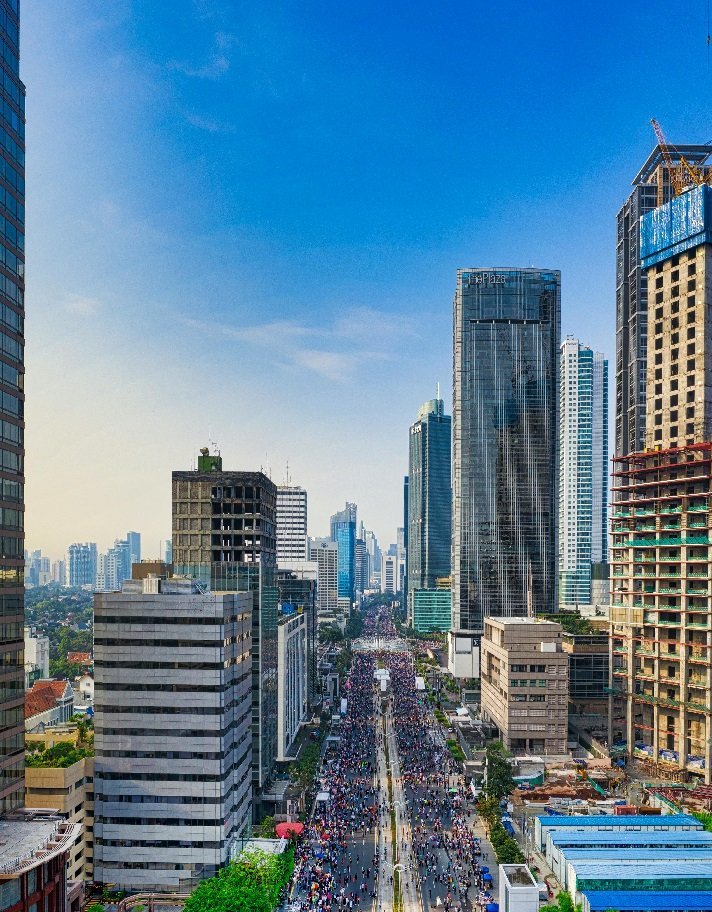
Dictatorships have long been a point of contention in global politics, with leaders exerting authoritarian control over their countries. In Indonesia, the era of dictatorship under Suharto from 1967 to 1998 was marked by political repression and corruption. Despite the negative connotations associated with dictatorships, Indonesia has also seen the rise of some of the best companies in the region. One of the key perspectives surrounding dictators in Indonesia is the role they played in shaping the country's economy. During Suharto's regime, a system of crony capitalism emerged, benefiting close allies of the ruling elite and leading to the creation of conglomerates known as "crony companies." These companies enjoyed preferential treatment and access to government resources, allowing them to dominate various sectors of the economy. However, not all Indonesian companies are tainted by their association with past dictatorships. In fact, some of the best-performing companies in Indonesia have emerged as leaders in their respective industries. Companies like Astra International, Bank Rakyat Indonesia (BRI), and Indofood have established themselves as strong players in the Indonesian market and have expanded their operations globally. While the legacy of dictatorship may still linger in the corporate landscape of Indonesia, these companies have managed to thrive by focusing on innovation, market diversification, and corporate governance. They have adapted to changing market conditions, embraced technology, and maintained transparency in their operations to gain the trust of investors and consumers. Controversies may arise when discussing the relationship between dictators and the business sector, as some companies may have benefitted from their connections to the ruling elite. Critics argue that these companies have unfairly gained advantages over their competitors, leading to an imbalance in the playing field. On the other hand, supporters of these companies point to their contributions to the economy, job creation, and technological advancements as reasons to separate their success from the shadow of past dictatorships. They argue that these companies have evolved beyond their origins and are now important drivers of growth and development in Indonesia. In conclusion, the intersection of dictators and business in Indonesia brings forth a complex tapestry of perspectives and controversies. While some companies may have risen to prominence through questionable means, others have demonstrated resilience and success through ethical business practices. As Indonesia continues to navigate its political and economic landscape, the role of businesses in shaping the future of the country remains a topic of ongoing debate and discussion.
https://continuar.org
Leave a Comment:
SEARCH
Recent News
- Zurich, Switzerland and Vancouver, Canada are two vibrant cities with distinct characteristics that make them stand out in their respective regions. While Zurich is known for its financial prowess and high quality of life, Vancouver is a bustling hub of business and innovation on the west coast of Canada. Let's take a closer look at how these two cities compare in terms of their business environments.
- Located in the heart of Switzerland, Zurich is known for its stunning natural beauty, bustling city life, and thriving business environment. The city attracts businesses from all over the world, thanks to its robust infrastructure, highly skilled workforce, and favorable economic policies. For UK businesses looking to expand or set up operations in Zurich, there are a number of government business support programs available to help navigate the process.
- Zurich, Switzerland and Tokyo, Japan are two dynamic cities with thriving business scenes. Both cities are prominent global financial centers and are known for their innovation, economic stability, and high quality of life. In this blog post, we will explore the unique business environments in Zurich and Tokyo and compare the two cities in terms of business opportunities, infrastructure, and work culture.
- Zurich, Switzerland and Sydney, Australia are two vibrant business hubs that offer unique experiences for entrepreneurs and professionals alike. From finance and banking to tech startups and creative industries, both cities have established themselves as key players in the global business landscape. Let's take a closer look at what makes Zurich and Sydney standout in the business world.
- Zurich, Switzerland, is a vibrant city known for its scenic beauty, rich history, and thriving business environment. One interesting aspect of Zurich's business landscape is the presence of Sudanese entrepreneurs who have made their mark in various industries in the city.
- Zurich, Switzerland is known for its vibrant small business community, with entrepreneurs driving innovation and growth in various industries. However, starting or expanding a small business often requires financial support in the form of small business loans. These loans can provide the necessary capital for businesses to invest in equipment, hire employees, expand operations, or launch new products or services.
- Zurich, Switzerland is a picturesque city known for its beautiful architecture, vibrant cultural scene, and high quality of life. On the other hand, Shanghai, China is a bustling metropolis that serves as a major financial and business hub in Asia. Let's explore how these two cities compare in terms of business opportunities and what makes them unique in their own ways.
- Zurich, Switzerland and Quebec, Canada are two distinct regions with unique business environments. Let's delve into the differences and similarities when it comes to conducting business in these two locations.
READ MORE
5 months ago Category :

Zurich, Switzerland and Vancouver, Canada are two vibrant cities with distinct characteristics that make them stand out in their respective regions. While Zurich is known for its financial prowess and high quality of life, Vancouver is a bustling hub of business and innovation on the west coast of Canada. Let's take a closer look at how these two cities compare in terms of their business environments.
Read More →5 months ago Category :

Located in the heart of Switzerland, Zurich is known for its stunning natural beauty, bustling city life, and thriving business environment. The city attracts businesses from all over the world, thanks to its robust infrastructure, highly skilled workforce, and favorable economic policies. For UK businesses looking to expand or set up operations in Zurich, there are a number of government business support programs available to help navigate the process.
Read More →5 months ago Category :

Zurich, Switzerland and Tokyo, Japan are two dynamic cities with thriving business scenes. Both cities are prominent global financial centers and are known for their innovation, economic stability, and high quality of life. In this blog post, we will explore the unique business environments in Zurich and Tokyo and compare the two cities in terms of business opportunities, infrastructure, and work culture.
Read More →5 months ago Category :
