**Exploring Perspectives and Controversies: Japanese Interest in the Best Indonesian Companies**
Category : | Sub Category : Posted on 2024-10-05 22:25:23
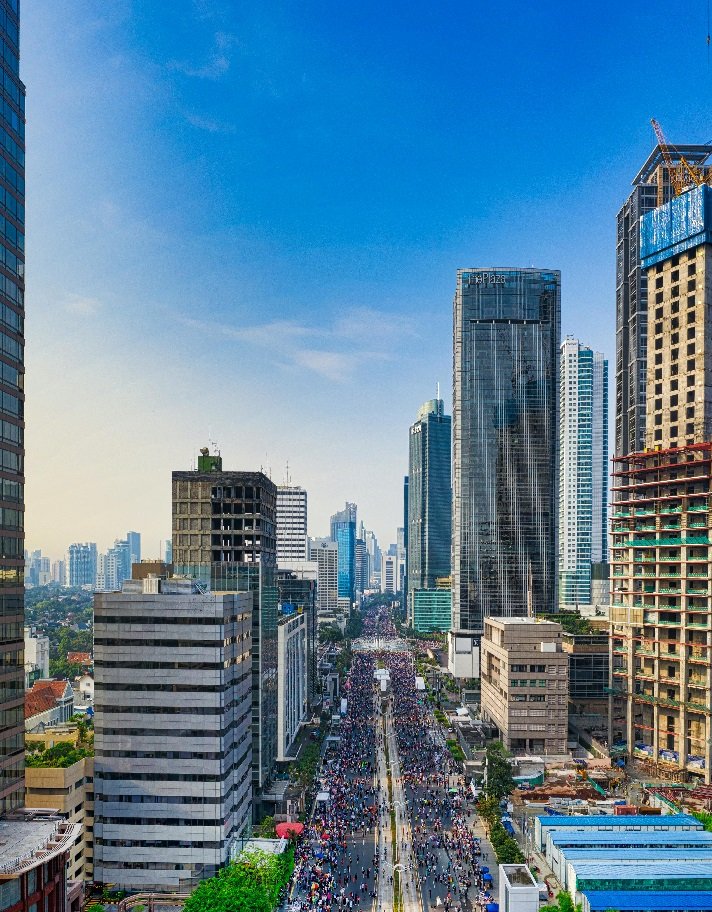
In recent years, Japanese investors have been showing a keen interest in the best Indonesian companies, sparking both excitement and debate within the business community. This trend has brought to light a variety of perspectives and controversies that shed light on the evolving landscape of Asian corporate connections. **Perspectives:** *Opportunities for Growth:* one perspective that stands out is the vast opportunities for growth that Indonesian companies present to Japanese investors. With Indonesia being one of the largest economies in Southeast Asia and showing steady economic growth, there is potential for profitable partnerships and collaborations between Japanese and Indonesian firms. *Technological Advancements:* Another perspective revolves around the technological advancements that Japanese companies can bring to Indonesian businesses. By leveraging Japan’s expertise in areas such as automotive, electronics, and machinery, Indonesian companies can enhance their capabilities and competitiveness on a global scale. *Cultural Exchange:* The collaboration between Japanese and Indonesian companies also fosters a valuable cultural exchange, allowing for the sharing of best practices, work ethics, and innovative ideas that can enrich the business environment in both countries. **Controversies:** *Control and Influence:* One of the controversies that arise from Japanese interest in Indonesian companies is the fear of potentially losing control or influence over local businesses. Some critics argue that excessive foreign investment could lead to a scenario where Indonesian companies become subsidiaries of Japanese conglomerates, posing a threat to local autonomy and decision-making. *Labor Practices:* Another point of controversy involves differences in labor practices and regulations between Japan and Indonesia. Critics raise concerns about the potential exploitation of Indonesian workers by Japanese companies, emphasizing the need for transparent and fair employment practices in any cross-border collaborations. *Environmental Impact:* The environmental impact of increased business activities resulting from Japanese investments in Indonesia is another contentious issue. As both countries strive to uphold sustainability and combat climate change, it is essential for all parties involved to prioritize environmentally friendly practices and policies. In conclusion, the growing interest of Japanese investors in the best Indonesian companies presents a blend of perspectives and controversies that underline the complexities of cross-border business partnerships. By addressing key concerns, fostering mutual understanding, and promoting responsible business conduct, both countries can navigate these challenges and build strong, sustainable relationships for the future.
https://continuar.org
Leave a Comment:
SEARCH
Recent News
- Zurich, Switzerland and Vancouver, Canada are two vibrant cities with distinct characteristics that make them stand out in their respective regions. While Zurich is known for its financial prowess and high quality of life, Vancouver is a bustling hub of business and innovation on the west coast of Canada. Let's take a closer look at how these two cities compare in terms of their business environments.
- Located in the heart of Switzerland, Zurich is known for its stunning natural beauty, bustling city life, and thriving business environment. The city attracts businesses from all over the world, thanks to its robust infrastructure, highly skilled workforce, and favorable economic policies. For UK businesses looking to expand or set up operations in Zurich, there are a number of government business support programs available to help navigate the process.
- Zurich, Switzerland and Tokyo, Japan are two dynamic cities with thriving business scenes. Both cities are prominent global financial centers and are known for their innovation, economic stability, and high quality of life. In this blog post, we will explore the unique business environments in Zurich and Tokyo and compare the two cities in terms of business opportunities, infrastructure, and work culture.
- Zurich, Switzerland and Sydney, Australia are two vibrant business hubs that offer unique experiences for entrepreneurs and professionals alike. From finance and banking to tech startups and creative industries, both cities have established themselves as key players in the global business landscape. Let's take a closer look at what makes Zurich and Sydney standout in the business world.
- Zurich, Switzerland, is a vibrant city known for its scenic beauty, rich history, and thriving business environment. One interesting aspect of Zurich's business landscape is the presence of Sudanese entrepreneurs who have made their mark in various industries in the city.
- Zurich, Switzerland is known for its vibrant small business community, with entrepreneurs driving innovation and growth in various industries. However, starting or expanding a small business often requires financial support in the form of small business loans. These loans can provide the necessary capital for businesses to invest in equipment, hire employees, expand operations, or launch new products or services.
- Zurich, Switzerland is a picturesque city known for its beautiful architecture, vibrant cultural scene, and high quality of life. On the other hand, Shanghai, China is a bustling metropolis that serves as a major financial and business hub in Asia. Let's explore how these two cities compare in terms of business opportunities and what makes them unique in their own ways.
- Zurich, Switzerland and Quebec, Canada are two distinct regions with unique business environments. Let's delve into the differences and similarities when it comes to conducting business in these two locations.
READ MORE
5 months ago Category :

Zurich, Switzerland and Vancouver, Canada are two vibrant cities with distinct characteristics that make them stand out in their respective regions. While Zurich is known for its financial prowess and high quality of life, Vancouver is a bustling hub of business and innovation on the west coast of Canada. Let's take a closer look at how these two cities compare in terms of their business environments.
Read More →5 months ago Category :

Located in the heart of Switzerland, Zurich is known for its stunning natural beauty, bustling city life, and thriving business environment. The city attracts businesses from all over the world, thanks to its robust infrastructure, highly skilled workforce, and favorable economic policies. For UK businesses looking to expand or set up operations in Zurich, there are a number of government business support programs available to help navigate the process.
Read More →5 months ago Category :

Zurich, Switzerland and Tokyo, Japan are two dynamic cities with thriving business scenes. Both cities are prominent global financial centers and are known for their innovation, economic stability, and high quality of life. In this blog post, we will explore the unique business environments in Zurich and Tokyo and compare the two cities in terms of business opportunities, infrastructure, and work culture.
Read More →5 months ago Category :
