Exploring Perspectives and Controversies: The Schengen Zone and the Best Indonesian Companies
Category : | Sub Category : Posted on 2024-10-05 22:25:23
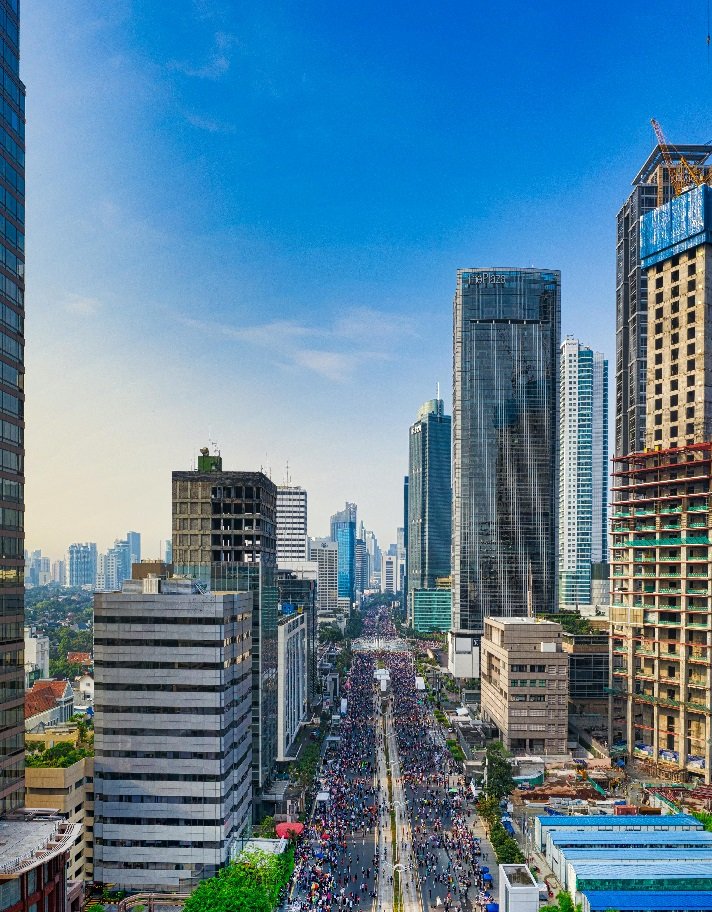
In the realm of global economics and politics, two very distinct yet interconnected topics have sparked conversations, debates, and controversies in recent times - the Schengen Zone and the best Indonesian companies. Let's delve into these subjects and explore the perspectives and controversies surrounding them. The Schengen Zone, established in 1995, is a symbol of European unity and freedom of movement. Comprising 26 European countries, the Schengen Area allows for passport-free travel among its member states, fostering economic growth and cultural exchange. However, in recent years, the Schengen Agreement has faced criticism and challenges due to issues such as the migrant crisis, security concerns, and border control. Some argue that the open borders of the Schengen Zone have made it vulnerable to security threats and illegal immigration, leading to calls for stricter border controls and a reassessment of the agreement. On the other hand, the best Indonesian companies represent the thriving business landscape of Southeast Asia's largest economy. From tech startups to traditional industries, Indonesian companies have been making their mark on the global stage with innovation, sustainable practices, and a focus on growth. Companies like Gojek, Tokopedia, and Bukalapak have become household names not only in Indonesia but also in the international market. These companies have helped boost Indonesia's economy, create jobs, and attract foreign investment. However, controversies surrounding issues such as labor practices, environmental impact, and corporate governance have also emerged, raising questions about the sustainability and ethics of these companies. As we explore the perspectives and controversies surrounding the Schengen Zone and the best Indonesian companies, it becomes clear that these topics are complex and multifaceted. While the Schengen Zone embodies the ideals of unity and freedom, it also faces challenges that require thoughtful solutions and cooperation among member states. Similarly, Indonesian companies are driving economic growth and innovation, but they must also address social and environmental responsibilities to ensure long-term success. In conclusion, the Schengen Zone and the best Indonesian companies offer valuable insights into the interconnected world we live in today. By understanding the perspectives and controversies surrounding these topics, we can engage in informed discussions and work towards a more sustainable and prosperous future for all.
https://continuar.org
Leave a Comment:
SEARCH
Recent News
- Zurich, Switzerland and Vancouver, Canada are two vibrant cities with distinct characteristics that make them stand out in their respective regions. While Zurich is known for its financial prowess and high quality of life, Vancouver is a bustling hub of business and innovation on the west coast of Canada. Let's take a closer look at how these two cities compare in terms of their business environments.
- Located in the heart of Switzerland, Zurich is known for its stunning natural beauty, bustling city life, and thriving business environment. The city attracts businesses from all over the world, thanks to its robust infrastructure, highly skilled workforce, and favorable economic policies. For UK businesses looking to expand or set up operations in Zurich, there are a number of government business support programs available to help navigate the process.
- Zurich, Switzerland and Tokyo, Japan are two dynamic cities with thriving business scenes. Both cities are prominent global financial centers and are known for their innovation, economic stability, and high quality of life. In this blog post, we will explore the unique business environments in Zurich and Tokyo and compare the two cities in terms of business opportunities, infrastructure, and work culture.
- Zurich, Switzerland and Sydney, Australia are two vibrant business hubs that offer unique experiences for entrepreneurs and professionals alike. From finance and banking to tech startups and creative industries, both cities have established themselves as key players in the global business landscape. Let's take a closer look at what makes Zurich and Sydney standout in the business world.
- Zurich, Switzerland, is a vibrant city known for its scenic beauty, rich history, and thriving business environment. One interesting aspect of Zurich's business landscape is the presence of Sudanese entrepreneurs who have made their mark in various industries in the city.
- Zurich, Switzerland is known for its vibrant small business community, with entrepreneurs driving innovation and growth in various industries. However, starting or expanding a small business often requires financial support in the form of small business loans. These loans can provide the necessary capital for businesses to invest in equipment, hire employees, expand operations, or launch new products or services.
- Zurich, Switzerland is a picturesque city known for its beautiful architecture, vibrant cultural scene, and high quality of life. On the other hand, Shanghai, China is a bustling metropolis that serves as a major financial and business hub in Asia. Let's explore how these two cities compare in terms of business opportunities and what makes them unique in their own ways.
- Zurich, Switzerland and Quebec, Canada are two distinct regions with unique business environments. Let's delve into the differences and similarities when it comes to conducting business in these two locations.
READ MORE
5 months ago Category :

Zurich, Switzerland and Vancouver, Canada are two vibrant cities with distinct characteristics that make them stand out in their respective regions. While Zurich is known for its financial prowess and high quality of life, Vancouver is a bustling hub of business and innovation on the west coast of Canada. Let's take a closer look at how these two cities compare in terms of their business environments.
Read More →5 months ago Category :

Located in the heart of Switzerland, Zurich is known for its stunning natural beauty, bustling city life, and thriving business environment. The city attracts businesses from all over the world, thanks to its robust infrastructure, highly skilled workforce, and favorable economic policies. For UK businesses looking to expand or set up operations in Zurich, there are a number of government business support programs available to help navigate the process.
Read More →5 months ago Category :

Zurich, Switzerland and Tokyo, Japan are two dynamic cities with thriving business scenes. Both cities are prominent global financial centers and are known for their innovation, economic stability, and high quality of life. In this blog post, we will explore the unique business environments in Zurich and Tokyo and compare the two cities in terms of business opportunities, infrastructure, and work culture.
Read More →5 months ago Category :
