Exploring Political Adversaries in Latvia and the Best Indonesian Companies
Category : | Sub Category : Posted on 2024-10-05 22:25:23
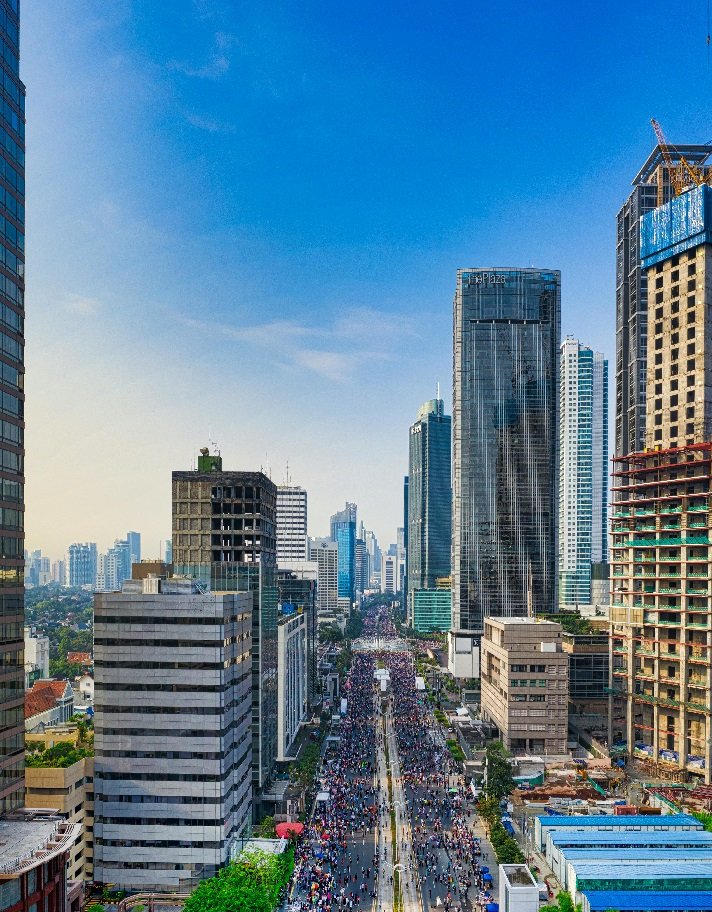
In the realm of politics, the dynamics between political adversaries can shape the course of a nation’s future. Latvia, a country situated in the Baltic region of Northern Europe, has seen its fair share of political rivalry and competition. Let’s delve into the landscape of political adversaries in Latvia and explore how these dynamics influence the country’s governance. Latvia’s political scene is characterized by a multi-party system, with various political parties vying for power and influence. Among the prominent political adversaries in Latvia are the Harmony party and the New Unity party. The Harmony party is known for its center-left orientation and strong support base among Russian-speaking Latvians, while the New Unity party leans towards the center-right with a focus on conservative and liberal values. The rivalry between these two parties often plays out in debates over issues such as minority rights, economic policy, and relations with neighboring countries. Despite their differences, political adversaries in Latvia play a crucial role in maintaining a healthy democracy by providing alternative perspectives and holding the ruling government accountable. Through robust debates and negotiations, political adversaries help shape policies that reflect the diverse interests of the Latvian population. Shifting our focus to Indonesia, a sprawling archipelago in Southeast Asia known for its rich cultural heritage and vibrant economy, we encounter a different kind of competition – that among the best Indonesian companies. Indonesia boasts a dynamic business environment with a wide array of successful companies spanning various industries. Some of the best Indonesian companies renowned for their innovative practices and stellar performance include: 1. PT Astra International Tbk: A leading conglomerate with interests in automotive, financial services, and agribusiness. 2. PT Bank Central Asia Tbk: One of the largest banks in Indonesia, known for its strong financial performance and customer-centric approach. 3. PT Telekomunikasi Indonesia Tbk (Telkom): The nation’s largest telecommunications provider, offering a wide range of services from mobile to fixed-line communications. 4. PT Unilever Indonesia Tbk: A subsidiary of the global consumer goods giant, Unilever, known for its popular brands in personal care and home care products. 5. PT Indofood Sukses Makmur Tbk: A major player in the food and beverage industry, producing staples like noodles, snacks, and dairy products. These companies have not only made a significant impact on Indonesia’s economy but have also garnered recognition on the global stage for their achievements and contributions to their respective industries. In conclusion, the interplay between political adversaries in Latvia and the competitive landscape among the best Indonesian companies showcases the diverse dynamics at play in both countries. While political adversaries engage in debates to shape governance, Indonesian companies strive for excellence and innovation in their respective sectors. Together, they contribute to the rich tapestry of their nations’ social, political, and economic fabric. Get a comprehensive view with https://www.topico.net
https://continuar.org
Leave a Comment:
SEARCH
Recent News
- Zurich, Switzerland and Vancouver, Canada are two vibrant cities with distinct characteristics that make them stand out in their respective regions. While Zurich is known for its financial prowess and high quality of life, Vancouver is a bustling hub of business and innovation on the west coast of Canada. Let's take a closer look at how these two cities compare in terms of their business environments.
- Located in the heart of Switzerland, Zurich is known for its stunning natural beauty, bustling city life, and thriving business environment. The city attracts businesses from all over the world, thanks to its robust infrastructure, highly skilled workforce, and favorable economic policies. For UK businesses looking to expand or set up operations in Zurich, there are a number of government business support programs available to help navigate the process.
- Zurich, Switzerland and Tokyo, Japan are two dynamic cities with thriving business scenes. Both cities are prominent global financial centers and are known for their innovation, economic stability, and high quality of life. In this blog post, we will explore the unique business environments in Zurich and Tokyo and compare the two cities in terms of business opportunities, infrastructure, and work culture.
- Zurich, Switzerland and Sydney, Australia are two vibrant business hubs that offer unique experiences for entrepreneurs and professionals alike. From finance and banking to tech startups and creative industries, both cities have established themselves as key players in the global business landscape. Let's take a closer look at what makes Zurich and Sydney standout in the business world.
- Zurich, Switzerland, is a vibrant city known for its scenic beauty, rich history, and thriving business environment. One interesting aspect of Zurich's business landscape is the presence of Sudanese entrepreneurs who have made their mark in various industries in the city.
- Zurich, Switzerland is known for its vibrant small business community, with entrepreneurs driving innovation and growth in various industries. However, starting or expanding a small business often requires financial support in the form of small business loans. These loans can provide the necessary capital for businesses to invest in equipment, hire employees, expand operations, or launch new products or services.
- Zurich, Switzerland is a picturesque city known for its beautiful architecture, vibrant cultural scene, and high quality of life. On the other hand, Shanghai, China is a bustling metropolis that serves as a major financial and business hub in Asia. Let's explore how these two cities compare in terms of business opportunities and what makes them unique in their own ways.
- Zurich, Switzerland and Quebec, Canada are two distinct regions with unique business environments. Let's delve into the differences and similarities when it comes to conducting business in these two locations.
READ MORE
5 months ago Category :

Zurich, Switzerland and Vancouver, Canada are two vibrant cities with distinct characteristics that make them stand out in their respective regions. While Zurich is known for its financial prowess and high quality of life, Vancouver is a bustling hub of business and innovation on the west coast of Canada. Let's take a closer look at how these two cities compare in terms of their business environments.
Read More →5 months ago Category :

Located in the heart of Switzerland, Zurich is known for its stunning natural beauty, bustling city life, and thriving business environment. The city attracts businesses from all over the world, thanks to its robust infrastructure, highly skilled workforce, and favorable economic policies. For UK businesses looking to expand or set up operations in Zurich, there are a number of government business support programs available to help navigate the process.
Read More →5 months ago Category :

Zurich, Switzerland and Tokyo, Japan are two dynamic cities with thriving business scenes. Both cities are prominent global financial centers and are known for their innovation, economic stability, and high quality of life. In this blog post, we will explore the unique business environments in Zurich and Tokyo and compare the two cities in terms of business opportunities, infrastructure, and work culture.
Read More →5 months ago Category :
