**Exploring the Schengen Zone: A Look at the Benefits and Challenges**
Category : | Sub Category : Posted on 2024-10-05 22:25:23
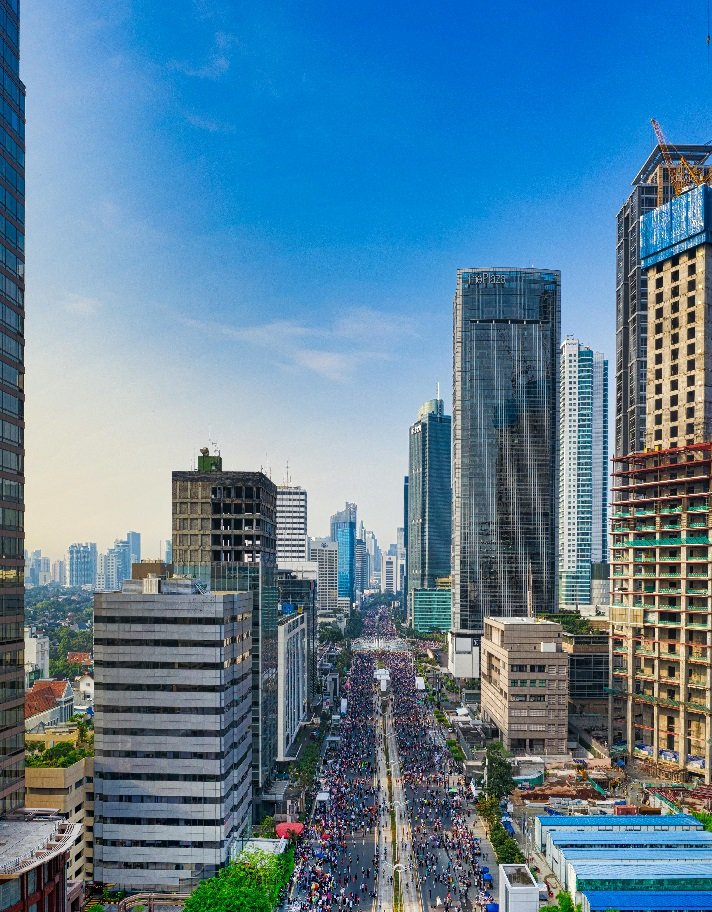
The Schengen Zone is a political and economic agreement among European countries that allows for border-free travel within its member states. Established in 1985, the Schengen Agreement aims to promote freedom of movement, facilitate tourism and trade, and enhance cooperation among the participating countries. While the Schengen Zone offers numerous advantages, such as enhancing cultural exchange and simplifying travel logistics, it also poses certain challenges, particularly in the realm of security and border control. One of the key benefits of the Schengen Zone is the elimination of internal border controls, which allows for seamless travel across participating countries. This has not only made it easier for tourists to explore multiple destinations within the zone but also facilitated cross-border trade and business activities. By promoting integration and mobility, the Schengen Zone has contributed to the economic growth and prosperity of its member states. Additionally, the Schengen Agreement has strengthened cooperation in areas such as law enforcement, asylum, and immigration policies. Member countries collaborate closely on border security and information sharing to prevent illegal activities and maintain public safety within the zone. This collective approach has been instrumental in addressing common challenges and fostering a sense of solidarity among participating nations. Despite its many benefits, the Schengen Zone faces certain challenges that require careful consideration and effective management. One of the main concerns is the potential for security threats and the risk of terrorism, especially given the increased mobility of individuals within the zone. Maintaining a balance between freedom of movement and security measures remains a pressing issue for policymakers and law enforcement agencies. Moreover, the recent influx of refugees and migrants has put additional strain on the Schengen system, leading to debates about border controls and the distribution of responsibilities among member states. The issue of managing external borders and ensuring effective coordination in handling migration flows has become a complex and contentious issue within the Schengen Area. In conclusion, the Schengen Zone offers significant advantages in terms of promoting free movement, economic integration, and cooperation among European countries. While the challenges of security and migration pose significant concerns, the continued commitment to shared values and principles is essential for preserving the integrity and effectiveness of the Schengen Agreement. By addressing these challenges collectively and implementing appropriate measures, the Schengen Zone can continue to serve as a model of regional integration and collaboration in the modern era. Discover new insights by reading https://www.mimidate.com Uncover valuable insights in https://www.cotidiano.org Want a deeper understanding? https://www.topico.net To learn more, take a look at: https://www.enemigo.org For an alternative viewpoint, explore https://www.enotifikasi.com Explore this subject further by checking out https://www.konsultan.org
https://continuar.org
Leave a Comment:
SEARCH
Recent News
- Zurich, Switzerland and Vancouver, Canada are two vibrant cities with distinct characteristics that make them stand out in their respective regions. While Zurich is known for its financial prowess and high quality of life, Vancouver is a bustling hub of business and innovation on the west coast of Canada. Let's take a closer look at how these two cities compare in terms of their business environments.
- Located in the heart of Switzerland, Zurich is known for its stunning natural beauty, bustling city life, and thriving business environment. The city attracts businesses from all over the world, thanks to its robust infrastructure, highly skilled workforce, and favorable economic policies. For UK businesses looking to expand or set up operations in Zurich, there are a number of government business support programs available to help navigate the process.
- Zurich, Switzerland and Tokyo, Japan are two dynamic cities with thriving business scenes. Both cities are prominent global financial centers and are known for their innovation, economic stability, and high quality of life. In this blog post, we will explore the unique business environments in Zurich and Tokyo and compare the two cities in terms of business opportunities, infrastructure, and work culture.
- Zurich, Switzerland and Sydney, Australia are two vibrant business hubs that offer unique experiences for entrepreneurs and professionals alike. From finance and banking to tech startups and creative industries, both cities have established themselves as key players in the global business landscape. Let's take a closer look at what makes Zurich and Sydney standout in the business world.
- Zurich, Switzerland, is a vibrant city known for its scenic beauty, rich history, and thriving business environment. One interesting aspect of Zurich's business landscape is the presence of Sudanese entrepreneurs who have made their mark in various industries in the city.
- Zurich, Switzerland is known for its vibrant small business community, with entrepreneurs driving innovation and growth in various industries. However, starting or expanding a small business often requires financial support in the form of small business loans. These loans can provide the necessary capital for businesses to invest in equipment, hire employees, expand operations, or launch new products or services.
- Zurich, Switzerland is a picturesque city known for its beautiful architecture, vibrant cultural scene, and high quality of life. On the other hand, Shanghai, China is a bustling metropolis that serves as a major financial and business hub in Asia. Let's explore how these two cities compare in terms of business opportunities and what makes them unique in their own ways.
- Zurich, Switzerland and Quebec, Canada are two distinct regions with unique business environments. Let's delve into the differences and similarities when it comes to conducting business in these two locations.
READ MORE
5 months ago Category :

Zurich, Switzerland and Vancouver, Canada are two vibrant cities with distinct characteristics that make them stand out in their respective regions. While Zurich is known for its financial prowess and high quality of life, Vancouver is a bustling hub of business and innovation on the west coast of Canada. Let's take a closer look at how these two cities compare in terms of their business environments.
Read More →5 months ago Category :

Located in the heart of Switzerland, Zurich is known for its stunning natural beauty, bustling city life, and thriving business environment. The city attracts businesses from all over the world, thanks to its robust infrastructure, highly skilled workforce, and favorable economic policies. For UK businesses looking to expand or set up operations in Zurich, there are a number of government business support programs available to help navigate the process.
Read More →5 months ago Category :

Zurich, Switzerland and Tokyo, Japan are two dynamic cities with thriving business scenes. Both cities are prominent global financial centers and are known for their innovation, economic stability, and high quality of life. In this blog post, we will explore the unique business environments in Zurich and Tokyo and compare the two cities in terms of business opportunities, infrastructure, and work culture.
Read More →5 months ago Category :
