Navigating Business Closure: Strategies from the Top Indonesian Companies
Category : | Sub Category : Posted on 2024-10-05 22:25:23
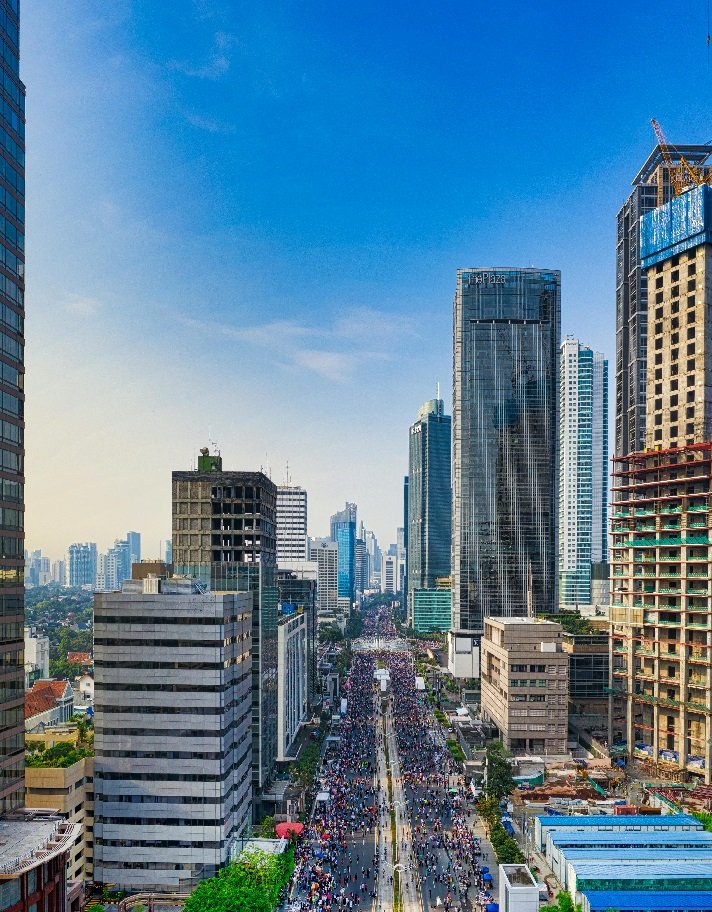
In the dynamic landscape of business, closures may be an inevitable reality for some companies. The decision to close a business can stem from various reasons, such as economic downturns, changing market trends, or strategic shifts within the industry. In the Indonesian business arena, even the top companies are not immune to the possibility of closure. However, how these companies handle such situations can provide valuable insights into effective finishing strategies for businesses facing similar challenges. One of the best Indonesian companies that exemplify adept handling of business closure is PT Freeport Indonesia. The mining company, known for its operations in Papua, faced a significant setback when the Indonesian government mandated a shift to a new contract model in 2018. This change posed financial challenges for the company, prompting a strategic reassessment of its operations. In response to the new contractual requirements and economic pressures, PT Freeport Indonesia embarked on a well-executed closure strategy. The company prioritized transparency and communication throughout the process, engaging with stakeholders to ensure a smooth transition. By involving employees, local communities, and government entities in the decision-making process, PT Freeport Indonesia demonstrated a commitment to responsible business practices even in the face of closure. Another notable example is PT Garuda Indonesia (Persero) Tbk, the national airline of Indonesia. The airline industry is notoriously volatile, with external factors such as fuel prices and geopolitical events influencing operational costs and passenger demand. In light of these challenges, PT Garuda Indonesia implemented a strategic restructuring plan to address financial difficulties and optimize its operations. Through proactive cost-cutting measures and route optimization, PT Garuda Indonesia aimed to navigate the turbulent skies of the aviation industry. By focusing on efficiency improvements and enhancing customer experience, the airline sought to position itself for long-term sustainability despite the need for temporary closures or route adjustments. When it comes to business closures, having a well-defined strategy is paramount. Companies facing closure can learn valuable lessons from the experiences of top Indonesian companies like PT Freeport Indonesia and PT Garuda Indonesia. By prioritizing transparency, stakeholder engagement, and strategic restructuring, businesses can mitigate the impact of closure and pave the way for future growth opportunities. Ultimately, business closures are not necessarily the end of the road but rather a strategic pivot towards new possibilities. Embracing change, fostering resilience, and applying lessons learned from successful finishing strategies can empower companies to navigate challenges and emerge stronger on the other side. In conclusion, the best Indonesian companies have demonstrated resilience and adaptability in the face of business closure. By leveraging effective strategies and proactive measures, businesses can weather challenging times and emerge as stronger contenders in the competitive landscape of the Indonesian business environment. To get more information check: https://www.mimidate.com Get a well-rounded perspective with https://www.cotidiano.org also for more https://www.topico.net this link is for more information https://www.enemigo.org
https://continuar.org
Leave a Comment:
SEARCH
Recent News
- Zurich, Switzerland and Vancouver, Canada are two vibrant cities with distinct characteristics that make them stand out in their respective regions. While Zurich is known for its financial prowess and high quality of life, Vancouver is a bustling hub of business and innovation on the west coast of Canada. Let's take a closer look at how these two cities compare in terms of their business environments.
- Located in the heart of Switzerland, Zurich is known for its stunning natural beauty, bustling city life, and thriving business environment. The city attracts businesses from all over the world, thanks to its robust infrastructure, highly skilled workforce, and favorable economic policies. For UK businesses looking to expand or set up operations in Zurich, there are a number of government business support programs available to help navigate the process.
- Zurich, Switzerland and Tokyo, Japan are two dynamic cities with thriving business scenes. Both cities are prominent global financial centers and are known for their innovation, economic stability, and high quality of life. In this blog post, we will explore the unique business environments in Zurich and Tokyo and compare the two cities in terms of business opportunities, infrastructure, and work culture.
- Zurich, Switzerland and Sydney, Australia are two vibrant business hubs that offer unique experiences for entrepreneurs and professionals alike. From finance and banking to tech startups and creative industries, both cities have established themselves as key players in the global business landscape. Let's take a closer look at what makes Zurich and Sydney standout in the business world.
- Zurich, Switzerland, is a vibrant city known for its scenic beauty, rich history, and thriving business environment. One interesting aspect of Zurich's business landscape is the presence of Sudanese entrepreneurs who have made their mark in various industries in the city.
- Zurich, Switzerland is known for its vibrant small business community, with entrepreneurs driving innovation and growth in various industries. However, starting or expanding a small business often requires financial support in the form of small business loans. These loans can provide the necessary capital for businesses to invest in equipment, hire employees, expand operations, or launch new products or services.
- Zurich, Switzerland is a picturesque city known for its beautiful architecture, vibrant cultural scene, and high quality of life. On the other hand, Shanghai, China is a bustling metropolis that serves as a major financial and business hub in Asia. Let's explore how these two cities compare in terms of business opportunities and what makes them unique in their own ways.
- Zurich, Switzerland and Quebec, Canada are two distinct regions with unique business environments. Let's delve into the differences and similarities when it comes to conducting business in these two locations.
READ MORE
5 months ago Category :

Zurich, Switzerland and Vancouver, Canada are two vibrant cities with distinct characteristics that make them stand out in their respective regions. While Zurich is known for its financial prowess and high quality of life, Vancouver is a bustling hub of business and innovation on the west coast of Canada. Let's take a closer look at how these two cities compare in terms of their business environments.
Read More →5 months ago Category :

Located in the heart of Switzerland, Zurich is known for its stunning natural beauty, bustling city life, and thriving business environment. The city attracts businesses from all over the world, thanks to its robust infrastructure, highly skilled workforce, and favorable economic policies. For UK businesses looking to expand or set up operations in Zurich, there are a number of government business support programs available to help navigate the process.
Read More →5 months ago Category :

Zurich, Switzerland and Tokyo, Japan are two dynamic cities with thriving business scenes. Both cities are prominent global financial centers and are known for their innovation, economic stability, and high quality of life. In this blog post, we will explore the unique business environments in Zurich and Tokyo and compare the two cities in terms of business opportunities, infrastructure, and work culture.
Read More →5 months ago Category :
